

Trump Announces Strategic Oil Reserve Release to Combat Rising Fuel Prices
In a significant move aimed at alleviating economic pressures on American consumers, US President Donald Trump declared on Wednesday that the United States will tap into its strategic oil reserves. This decision comes as global energy markets face severe volatility due to the escalating conflict in the Middle East, particularly involving Israel, Iran, and Hezbollah.
Coordinated Global Effort to Stabilize Markets
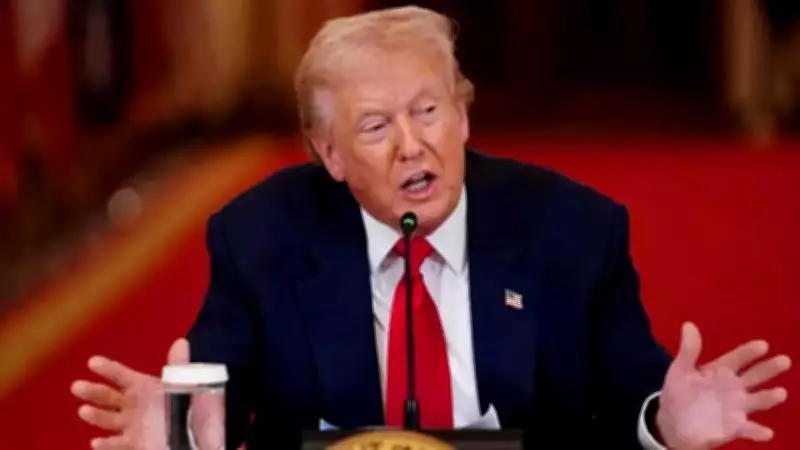
Speaking during a visit to Ohio, where he was promoting his economic policies, Trump emphasized the urgency of the situation. "We'll do that, and then we'll fill it up," he stated regarding the release of crude from the US Strategic Petroleum Reserve. "Right now, we’ll reduce it a little bit, and that brings the prices down," he added, highlighting the immediate impact expected from this measure.
Earlier, at a gathering in Kentucky, Trump detailed a broader international initiative. He revealed that the International Energy Agency (IEA) has agreed to coordinate the release of a record 400 million barrels of oil from various national petroleum reserves worldwide. "This will substantially reduce the oil prices, as we end this threat to America and this threat to the world," Trump asserted, underscoring the collaborative approach to maintaining global energy supply amidst ongoing military operations.

Massive Reserve Releases and Market Response
The US Department of Energy confirmed that it will release 172 million barrels of crude from the Strategic Petroleum Reserve, with distribution set to begin next week and take approximately 120 days to complete. This release is part of the IEA-led effort, which far exceeds the 182.7 million barrels released in 2022 following Russia's invasion of Ukraine. IEA member countries collectively hold over 1.2 billion barrels in emergency reserves, with additional industry stocks under government obligations.
Despite these emergency measures, oil prices have continued to surge. On Thursday, Brent Crude jumped 9.3% to $100.50 per barrel, while West Texas Intermediate rose 8.8% to $94.92. This spike occurred even after the IEA's announcement, reflecting persistent market anxieties.
Middle East Crisis Fuels Energy Disruptions
The decision to release reserves is a direct response to the deteriorating security situation in the Middle East. Global oil prices have been climbing steadily since February 28, when US and Israeli forces launched air strikes on Iran, reportedly killing Iran's former supreme leader and deepening regional conflict. Iran has retaliated with drone and missile attacks, disrupting shipping through the Strait of Hormuz—a critical chokepoint handling roughly 20% of global oil shipments.
Recent attacks on commercial vessels in the Gulf have effectively halted cargo movement through the strait, sending shockwaves through energy markets. Trump also claimed that US forces targeted Iranian naval assets to protect maritime routes, stating, "We have knocked out 58 naval ships. We knocked out their navy," and alleging destruction of vessels involved in laying mines.
Political Debate and Economic Implications
The move has sparked political debate in Washington. Senate Democratic Leader Chuck Schumer from New York criticized the timing, arguing that Trump "created many more problems than the strategic petroleum reserve will solve." He warned that disruptions in the Strait of Hormuz are already affecting the US, with Americans bearing the brunt through higher costs.
As the conflict intensifies, the coordinated release of oil reserves represents a crucial step to mitigate price spikes and ensure energy stability. However, with ongoing military engagements and market uncertainties, the long-term effectiveness of these measures remains to be seen, highlighting the complex interplay between geopolitics and global economics.






