

Uttarakhand Government Establishes Minority Education Authority, Announces Madrasa Board Phase-Out by 2026
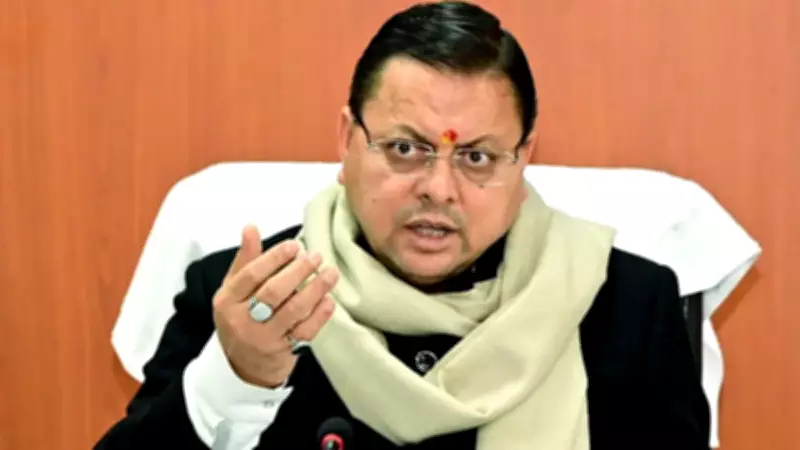
In a significant move aimed at reforming the educational landscape for minority communities, the Uttarakhand government, under the leadership of Chief Minister Pushkar Singh Dhami, has officially constituted a Minority Education Authority. This newly formed body is tasked with overseeing and enhancing educational initiatives for minority groups across the state. Concurrently, the government has unveiled plans to scrap the existing Madrasa Board by the year 2026, marking a pivotal shift in the administration of minority education.
Details of the Minority Education Authority
The establishment of the Minority Education Authority represents a strategic effort by the Uttarakhand administration to streamline and modernize educational frameworks for minority students. This authority will be responsible for:
- Developing and implementing comprehensive educational policies tailored to the needs of minority communities.
- Ensuring the integration of minority education with mainstream academic systems to promote inclusivity and equal opportunities.
- Monitoring the quality of education in minority institutions and facilitating necessary improvements.
By creating this dedicated authority, the government aims to address longstanding gaps in educational access and quality for minorities, fostering a more equitable learning environment.

Phase-Out of the Madrasa Board
In a parallel development, the Uttarakhand government has announced its intention to phase out the Madrasa Board by 2026. This decision is part of a broader initiative to align minority education with national educational standards and curricula. Key aspects of this phase-out include:
- A gradual transition period to allow madrasas and their students to adapt to the new system without disruption.
- Integration of madrasa education into the state's general education framework, ensuring that students receive a well-rounded academic experience.
- Support measures, such as teacher training and curriculum updates, to facilitate a smooth shift away from the board.
This move is expected to enhance the employability and higher education prospects of students currently enrolled in madrasas, by providing them with education that is recognized and valued across various sectors.
Government's Vision and Implications
Chief Minister Pushkar Singh Dhami has emphasized that these reforms are driven by a commitment to modernize and secularize the education system in Uttarakhand. The government's vision includes:
- Promoting national integration by reducing educational disparities between different community groups.
- Ensuring that minority students have access to quality education that prepares them for competitive exams and career opportunities.
- Upholding constitutional values of equality and secularism in the educational domain.
The establishment of the Minority Education Authority and the planned scrapping of the Madrasa Board are likely to have far-reaching implications for educational policy in Uttarakhand. Stakeholders, including educators, parents, and students, are anticipated to engage in discussions as the transition unfolds over the coming years.
Overall, these initiatives reflect the Uttarakhand government's proactive approach to educational reform, aiming to create a more unified and progressive system that benefits all sections of society.






