U.S. Vice President JD Vance Throws Support Behind Hungarian Leader Viktor Orbán in High-Stakes Election
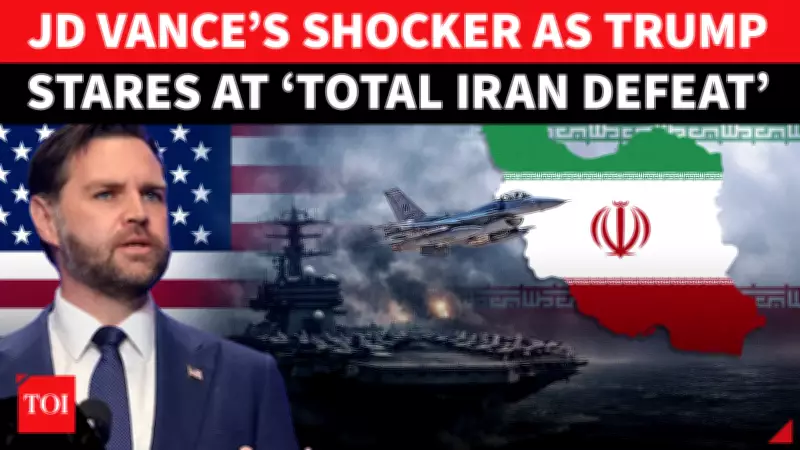
In a bold political move, U.S. Vice President JD Vance has publicly endorsed Hungarian Prime Minister Viktor Orbán ahead of a crucial national election in Hungary. This endorsement, delivered during a high-profile visit to Budapest, marks the first such U.S. engagement in nearly two decades and signals a significant alignment with Orbán, who is widely regarded as Russian President Vladimir Putin's closest ally within the European Union.
Vance Criticizes EU and Makes Unverified Claims
Standing alongside Orbán, Vance launched sharp criticisms against the European Union, accusing it of meddling in Hungary's democratic processes. He argued that the EU's actions undermine national sovereignty and interfere with the electoral integrity of member states. Additionally, Vance made unverified allegations regarding Ukrainian involvement in elections, though he provided no concrete evidence to support these claims, further escalating diplomatic tensions.
Orbán Faces Strong Opposition from Péter Magyar
The election comes at a critical juncture for Hungary, with Orbán facing a formidable challenge from opposition leader Péter Magyar. Magyar has garnered substantial support by campaigning on promises of reform and greater integration with European norms, setting the stage for a highly contested vote that could reshape Hungary's political landscape.

Geopolitical Implications and European Divisions
Vance's visit and endorsement have raised profound concerns about shifting geopolitical dynamics in Europe. Analysts warn that this alignment could deepen existing divisions within the EU, particularly between member states that favor closer ties with Russia and those advocating for stronger Western alliances. The move is seen as part of a broader strategy to bolster nationalist movements across the continent, potentially altering the balance of power in European politics.
The high-stakes nature of this election extends beyond Hungary's borders, influencing regional stability and international relations. As voters prepare to cast their ballots, the outcome will likely have lasting effects on Hungary's foreign policy, its relationship with the EU, and the broader geopolitical order in Eastern Europe.