US Vice President Vance Faces Awkward Moment During Budapest Press Conference
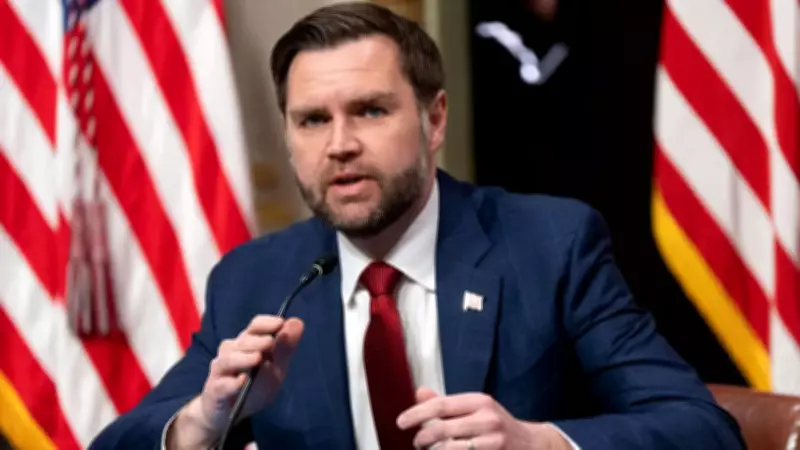
In a strikingly awkward moment on the international stage, United States Vice President JD Vance found himself scrambling during a press conference in Budapest after realizing he had been caught off guard regarding new developments in the escalating crisis with Iran. The incident occurred as Vance stood alongside Hungarian President Viktor Orbán, highlighting the tense diplomatic atmosphere surrounding US-Iran relations.
Journalists Alert Vice President to Critical Updates
According to reports from the Daily Beast, journalists at the press conference urged Vice President Vance to check his phone for urgent updates concerning alleged US military strikes. The situation unfolded when a Washington Post reporter directly questioned Vance about whether he possessed any intelligence indicating an imminent diplomatic deal with Iran was forthcoming.
Initially, Vance responded without consulting his mobile device, stating: “I don’t—unless I have a text message from Steve Witkoff,” referencing former Trump adviser and Middle East envoy Steve Witkoff. It was only after reaching into his pocket that the vice president discovered he did indeed have an unread message waiting.

“I do have a message from Steve Witkoff,” Vance acknowledged after briefly glancing at the text. “Wouldn’t you like to know the subject of this message? But no, uh, I need to read it first before I talk about it.” He then curiously inquired, “But here’s, here’s… uh, what time is it in the United States right now?”
Escalating Tensions and Presidential Ultimatums
This exchange took place mere moments after US President Donald Trump published a social media post issuing a stark warning to Iran. Trump declared that “a whole civilisation will die tonight” if Iran failed to meet his 8 pm deadline for reaching a diplomatic agreement. The president’s ominous statement set the stage for increased pressure during the press briefing.
Minutes later, a Reuters reporter pressed Vance further, suggesting he examine his phone more carefully. “I do think you have to read that text because we have reporting that the United States is striking some targets in Kharg Island,” she stated. The reporter added, “You did say that the military objectives of this war have been achieved. So could you help us understand why the president is still threatening to attack every bridge and every power plant in Iran?”
Strategic Importance of Kharg Island
Kharg Island represents a critical Iranian export hub located off the country’s coast, handling approximately 90% of Iran’s crude oil exports. This strategic location has made it a focal point in ongoing geopolitical tensions. Reports surfaced on Tuesday indicating that Kharg Island had been struck again, following a previous US attack in March that targeted installations including naval mine storage facilities and missile bunkers.
Addressing the reporter’s question, Vance responded during the conference: “So you asked about Kharg Island. You know, my understanding, you know, having talked to Pete (Hegseth) and General Caine about this, is that we were going to strike some military targets on Kharg Island, and I believe we have done so.”
Vance further clarified the administration’s position: “(The president) has said very clearly, that we’re not going to strike energy and infrastructure targets until the Iranians either make a proposal that we can get behind or don’t make a proposal. But he’s given them until Tuesday, at 8 o’clock, so I don’t think the news on Kharg Island represents a change in strategy.”
Administration’s Defensive Posture and Stark Warnings
In defending the administration’s approach to the crisis, Vance emphasized the United States’ strategic leverage. “The president of the United States is a man who recognises leverage, that if the Iranians want to exact a certain amount of pain, the United States has the ability to exact much, much greater pain,” he stated.

President Trump escalated his rhetoric further with explicit threats against Iranian infrastructure. In a social media post, he warned: “Tuesday will be Power Plant Day, and Bridge Day, all wrapped up in one, in Iran. There will be nothing like it!!! Open the F----n’ Strait, you crazy b-----ds, or you’ll be living in Hell - JUST WATCH!”
During the briefing, Vance reinforced Trump’s uncompromising stance, declaring: “I hope Iran makes the right response. We've got tools in our toolkit that we so far haven't decided to use. President Trump can decide to use them, and he will decide to use them if the Iranians don't change their course of conduct.”
The press conference in Budapest ultimately revealed the high-stakes nature of US-Iran relations, with Vice President Vance’s momentary disorientation underscoring the rapid developments and intense pressure characterizing this international crisis. The incident highlights the challenges facing diplomatic communications during periods of escalating military and political tensions.