

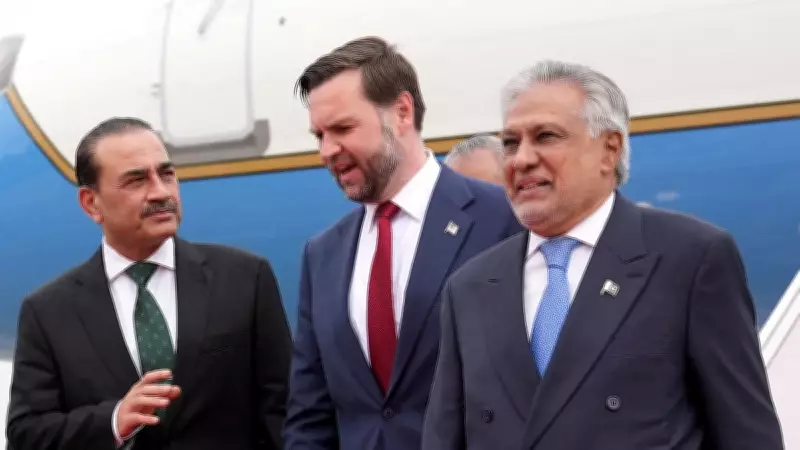
J.D. Vance-Led Diplomatic Talks Foster Goodwill with Iran Despite No Formal Breakthrough
A recent report has highlighted that negotiations led by J.D. Vance, a prominent U.S. figure, have successfully built significant goodwill with Iran, even though the talks did not result in a concrete breakthrough or formal agreement. According to sources familiar with the discussions, these diplomatic efforts have played a crucial role in improving the overall atmosphere between the two nations, which have long been characterized by deep-seated mistrust and historical tensions.
U.S. Official Details Vance's Strategic Approach to Iran Negotiations
A U.S. official, who spoke on condition of anonymity due to the sensitivity of the matter, provided insights into the negotiations. The official noted that J.D. Vance entered the talks with a clear understanding of the profound mistrust and the high potential for miscommunication that exists between the United States and Iran. This awareness allowed Vance to approach the discussions with a strategic and measured demeanor, focusing on building rapport and fostering open dialogue rather than pushing for immediate, tangible outcomes.
The official emphasized that Vance's approach was instrumental in creating a more positive and cooperative environment. By acknowledging the complexities and historical grievances, Vance was able to navigate the delicate diplomatic landscape effectively. This led to improved communication channels and a reduction in the likelihood of misunderstandings that could have escalated tensions further.

Impact of the Talks on U.S.-Iran Relations
Despite the absence of a formal agreement or breakthrough, the talks have had a notable impact on U.S.-Iran relations. The goodwill generated through these negotiations is seen as a valuable foundation for future diplomatic engagements. Experts suggest that such incremental progress is essential in dealing with long-standing adversaries, where trust must be built gradually over time.
The report underscores that while no major deals were signed, the talks succeeded in lowering the temperature between the two countries. This is particularly significant given the volatile nature of their relationship, which has been marked by periods of intense conflict and diplomatic stalemates. The improved communication and mutual understanding achieved during these discussions could pave the way for more substantive negotiations in the future.
Broader Implications for International Diplomacy
The outcome of these talks highlights the importance of patience and persistence in international diplomacy. In situations where immediate breakthroughs are unlikely, focusing on building goodwill and improving relations can yield long-term benefits. This approach aligns with broader diplomatic strategies that prioritize engagement over isolation, even in the face of significant challenges.
- The talks demonstrated that diplomatic efforts can yield positive results even without formal agreements.
- Improved communication between the U.S. and Iran reduces the risk of miscalculations and conflicts.
- The goodwill built during these negotiations could facilitate future discussions on critical issues such as nuclear proliferation and regional stability.
In conclusion, the J.D. Vance-led talks with Iran represent a step forward in U.S.-Iran relations, emphasizing the value of dialogue and mutual respect in international affairs. While no breakthrough was achieved, the enhanced goodwill and communication are viewed as significant achievements that could influence future diplomatic endeavors between the two nations.






