

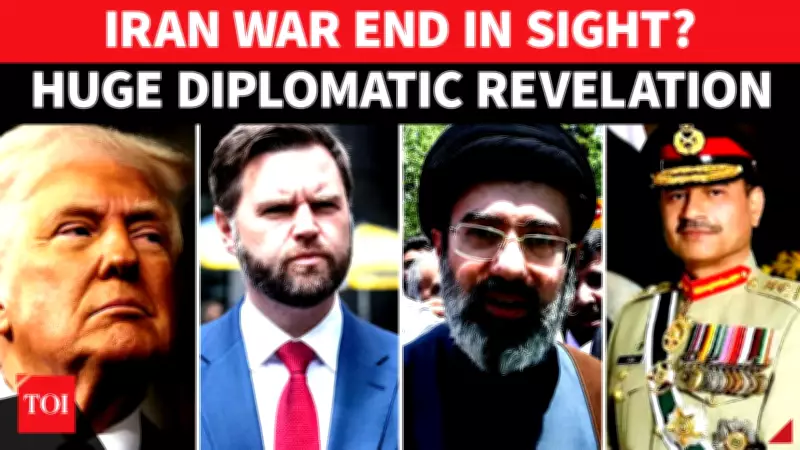
Ceasefire or Conflict? Vance's Secret Iran Deal Marks 'Last Chance' for Peace
In a dramatic diplomatic development, a secret ceasefire proposal has emerged as a potential turning point in the escalating Middle East conflict. The plan, reportedly drafted by Pakistan and actively promoted by U.S. diplomatic efforts led by Vance, has now been delivered to both Tehran and Washington, offering what sources describe as a "last chance" to avert further catastrophe.
The Islamabad Accord: A Pathway to Peace?
The proposal, informally dubbed the "Islamabad Accord," calls for an immediate cessation of hostilities between the warring parties. This would be followed by urgent, high-level negotiations aimed at resolving the core issues driving the conflict, including the critical status of the Strait of Hormuz. The strategic waterway has been a focal point of tension, with its closure severely impacting global oil supplies and regional stability.
Sources indicate that the plan represents a comprehensive attempt to halt the deadly escalation that has rocked the region for weeks, resulting in significant military losses and civilian casualties. The involvement of Pakistan as a mediator adds an unexpected dimension to the diplomacy, leveraging its historical ties and regional influence.

Iran's Cautious Stance and U.S. Guarantees
While the proposal is under active review by Iranian authorities, Tehran is approaching it with considerable caution. Iranian officials are reportedly unwilling to commit to reopening the Strait of Hormuz or agreeing to a lasting peace without concrete, verifiable guarantees from the United States. This mistrust stems from decades of geopolitical rivalry and recent military confrontations, including incidents involving downed aircraft and covert operations.
The Vance-led diplomatic push emphasizes the urgency of the situation, framing the proposal as perhaps the final opportunity to prevent a full-scale regional war. However, the success of this initiative hinges on overcoming deep-seated animosities and the current military momentum, which continues to drive both sides toward further confrontation.
Broader Context of Escalating Tensions
The ceasefire proposal arrives against a backdrop of intense military activity. Recent reports have detailed:
- Missile attacks on Israeli cities, including Tel Aviv, with cluster strikes causing significant damage and casualties in Haifa.
- Incidents near the White House linked to Iranian-backed elements, prompting Secret Service responses.
- Rare footage from Iranian war rooms showing strategic planning, with Israeli nuclear sites in focus.
- Recovery operations for downed U.S. aircraft, such as the F-15E, following intense gunfights between Iranian forces and American commandos.
- Claims of multiple American aircraft losses, including F-35 stealth fighters and Black Hawk helicopters, described as a "black day" for the U.S. Air Force.
These events underscore the high stakes involved, with the potential for miscalculation leading to broader conflict. The involvement of proxy groups like Hezbollah, possibly utilizing advanced Russian drone technology, further complicates the battlefield dynamics.
The Critical Question: Will Diplomacy Prevail?
As the proposal circulates in diplomatic channels, the central question remains: Will the "Islamabad Accord" become the first genuine step toward ending the war, or will entrenched mistrust and ongoing military operations derail this final bid for peace? The outcome could determine not only the immediate future of the Middle East but also global energy security and international stability.
The coming hours and days are likely to be decisive, with all eyes on Tehran and Washington's responses. The world watches anxiously, hoping that diplomacy can triumph over destruction in this volatile moment.






