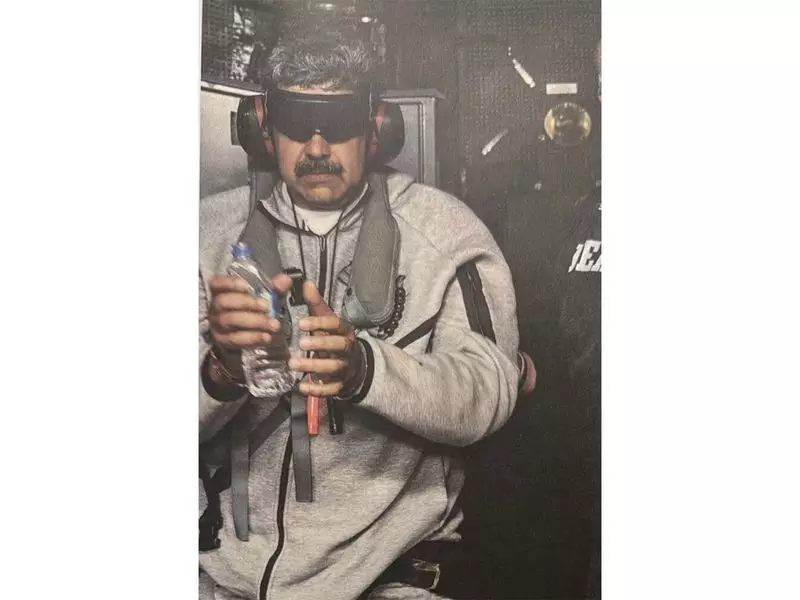
Venezuela's top military official has launched a fierce diplomatic offensive, branding the detention of the country's president in Argentina as an illegal abduction. Defence Minister Vladimir Padrino López issued a forceful statement demanding the immediate liberation of President Nicolas Maduro, whose arrest has ignited a major international dispute.
A Firm Denunciation from Caracas
In an official communiqué released on Monday, Defence Minister Padrino López left no room for ambiguity. He condemned the actions of Argentine authorities, who apprehended President Maduro based on an Interpol red notice issued at the request of the United States. The minister characterized the event not as a lawful arrest, but as a "kidnapping" of the Venezuelan head of state.
The statement from the Venezuelan defence establishment was unequivocal in its demand for Maduro's "immediate release." It framed the incident as a blatant violation of international law and the principles of state sovereignty. This strong rhetoric underscores the severity with which the Venezuelan government views the situation, potentially setting the stage for a protracted diplomatic standoff.
The Roots of the Controversial Arrest
The arrest stems from a long-standing request by the United States government. Washington has accused Nicolas Maduro of multiple serious crimes, including narco-terrorism and drug trafficking. A U.S. federal court has indicted him, leading to the issuance of the Interpol red notice—a global alert requesting law enforcement worldwide to locate and provisionally arrest an individual pending extradition.
Argentine authorities acted upon this notice when President Maduro was in the country, reportedly for a meeting of the Mercosur trade bloc. The move has sent shockwaves through regional politics, highlighting the deep divisions and geopolitical tensions involving Venezuela, the United States, and their respective allies in Latin America.
Implications and Potential Fallout
This incident threatens to escalate into a significant international crisis. Venezuela's response, led by its defence minister, signals a refusal to cooperate with the legal proceedings initiated by the U.S. The use of the term "kidnapping" is a deliberate political and legal manoeuvre, aiming to delegitimize the arrest and rally domestic and international support.
The immediate consequences are multifaceted:
- Diplomatic Strain: Relations between Venezuela and Argentina are now under severe stress, which could affect regional cooperation bodies like Mercosur.
- Legal Battle: A complex extradition fight is likely to begin, involving arguments over the validity of the Interpol notice and the political nature of the charges.
- Domestic Consolidation: Within Venezuela, the government may use this event to portray Maduro as a victim of foreign aggression, potentially strengthening his position among supporters.
The situation remains fluid, with the world watching how Argentina navigates the pressures from both Venezuela and the United States. The demand from Caracas is clear and uncompromising: release President Maduro immediately. Whether Buenos Aires will comply or proceed with formal extradition processes is the critical question now hanging over this high-stakes geopolitical confrontation.