In a surprising diplomatic move, Venezuelan President Nicolás Maduro has positioned himself as a potential mediator in the protracted conflict between Russia and Ukraine. This offer comes amidst a significant shift in the political landscape of the United States, following the attempted assassination of former President Donald Trump.
Maduro's Mediation Offer and the Trump Connection
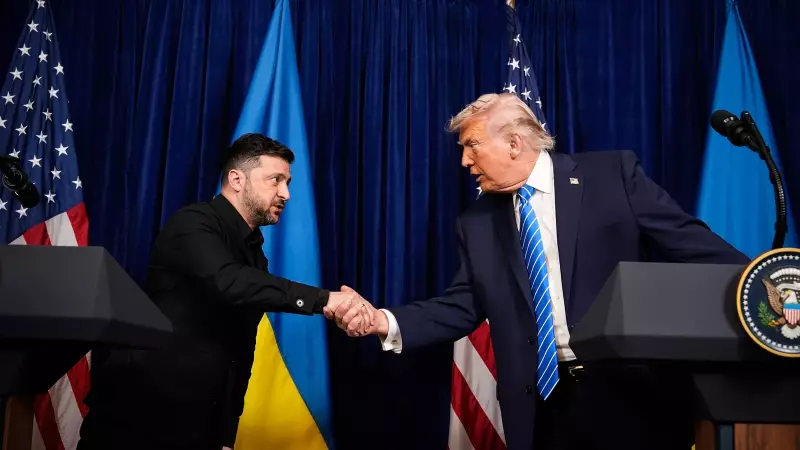
President Maduro publicly extended his offer for dialogue, directly addressing the leaders of both warring nations. He urged Russian President Vladimir Putin and Ukrainian President Volodymyr Zelenskyy to "sit down and talk" to find a peaceful resolution. This proposal aligns closely with the long-stated position of Donald Trump, who has repeatedly claimed he could end the war within 24 hours if re-elected.
The timing of Maduro's statement is critical. It was made during a televised address just days after the shocking attack on Trump at a rally in Pennsylvania. Maduro explicitly linked his peace initiative to the changed circumstances following that event, suggesting a new geopolitical opening. Venezuela, under Maduro's leadership, is a long-standing ally of Russia and has consistently blamed NATO expansion for provoking the conflict, a narrative that echoes Kremlin talking points.

Geopolitical Calculations and Regional Implications
Analysts view Maduro's offer as a strategic play with multiple objectives. Firstly, it seeks to elevate Venezuela's international standing by casting it as a peacemaker, potentially easing its own isolation. Secondly, it serves as a direct endorsement of Trump's foreign policy approach, strengthening Caracas's alignment with a possible future Trump administration. Maduro likely anticipates a more favourable relationship with Washington if Trump wins the November election, contrasting with the sanctions-heavy approach of the Biden government.
The Venezuelan leader's rhetoric also took aim at Western support for Ukraine. He criticized the continuous flow of weapons from the United States and Europe, arguing it only prolongs the bloodshed. "Stop sending weapons to Ukraine!" Maduro declared, framing his mediation offer as the only rational path forward. This stance directly challenges the core strategy of Kyiv's allies, who believe military aid is essential for Ukraine's defense and negotiation leverage.
Reactions and the Path Forward
The international response to Maduro's proposal has been skeptical. Ukraine and its Western partners are highly unlikely to accept mediation from a leader who is politically and economically tied to Moscow. The offer is seen more as a propaganda tool for Russia, providing a veneer of peace-seeking while undermining military support for Ukraine.
Furthermore, the situation underscores the potential for a dramatic shift in US foreign policy. A victory for Donald Trump in November could lead to a rapid de-escalation of American involvement in the war, possibly through a negotiated settlement that favours Russian interests. Maduro's move is an early attempt to position himself advantageously within that potential new world order.
In conclusion, while Nicolás Maduro's offer to broker peace between Russia and Ukraine is almost certain to be rejected by the parties directly involved, it is a significant signal of the evolving global alliances. It highlights how actors like Venezuela are preparing for a possible post-election reality in the United States, where the war's dynamics could change fundamentally. The coming months will reveal whether this gambit translates into any real diplomatic influence or remains merely a symbolic gesture.