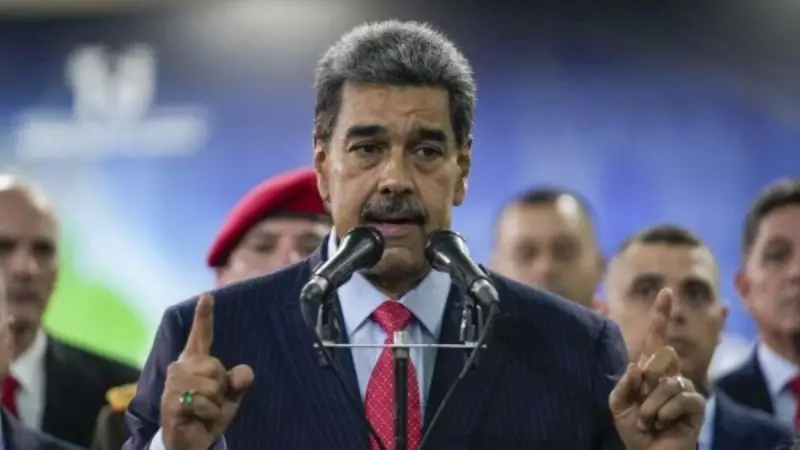
In a significant development in international law and diplomacy, Venezuelan President Nicolás Maduro has formally entered a plea of not guilty in a United States federal court. The charges against him are severe, including allegations of narco-terrorism conspiracy and drug trafficking. This plea sets the stage for a protracted legal battle with profound geopolitical implications.
The Court Proceedings and Key Allegations
The hearing took place in the Southern District of New York, a jurisdiction known for handling high-profile international cases. Prosecutors from the US Department of Justice presented their indictment, which accuses Maduro and several of his top aides of running a "narco-terrorism partnership" for over two decades. The US government alleges that this partnership was designed to flood America with cocaine and undermine the health and security of its citizens.
The core of the charges revolves around accusations that Maduro, along with other high-ranking Venezuelan officials, conspired with the FARC (Revolutionary Armed Forces of Colombia) guerrilla group. They are alleged to have used Venezuela as a hub for shipping massive quantities of cocaine to the United States and other global markets. The indictment claims this activity transformed the Venezuelan state into a platform for international drug trafficking.

Legal Strategy and Future Timeline
By pleading not guilty, Maduro's legal team has initiated the formal defense process. This plea was entered on his behalf by his attorneys, as the Venezuelan leader was not physically present in the US courtroom. The judge overseeing the case has set a crucial date for the next step in the proceedings.
The next hearing in this landmark case is scheduled for March 17, 2026. This date, over two years from now, indicates the complexity and scale of the legal preparations expected from both the prosecution and the defense. It allows time for evidence gathering, legal motions, and pre-trial arguments in what promises to be a highly contentious international case.
Geopolitical Repercussions and Venezuela's Stance
The case against President Maduro is not merely a criminal proceeding; it is a flashpoint in the strained relations between the United States and Venezuela. The Venezuelan government has consistently and vehemently denied all allegations, labeling them as a "politically motivated fabrication" aimed at regime change. They argue the charges are part of a long-standing campaign by Washington to topple the socialist government in Caracas.
This legal action complicates already difficult diplomatic engagements, including negotiations surrounding Venezuela's oil exports and its internal political landscape. The US Department of State has maintained a substantial reward of $15 million for information leading to Maduro's arrest and conviction, underscoring the seriousness with which American authorities view the case. The outcome of this legal battle could have lasting consequences for US-Venezuela relations, regional politics in Latin America, and international legal precedents concerning sitting heads of state.
As the world watches, the stage is now set for a legal confrontation that will unfold slowly but surely, with the next major act scheduled for March 17, 2026. The proceedings will be closely monitored by governments, legal experts, and international observers worldwide.