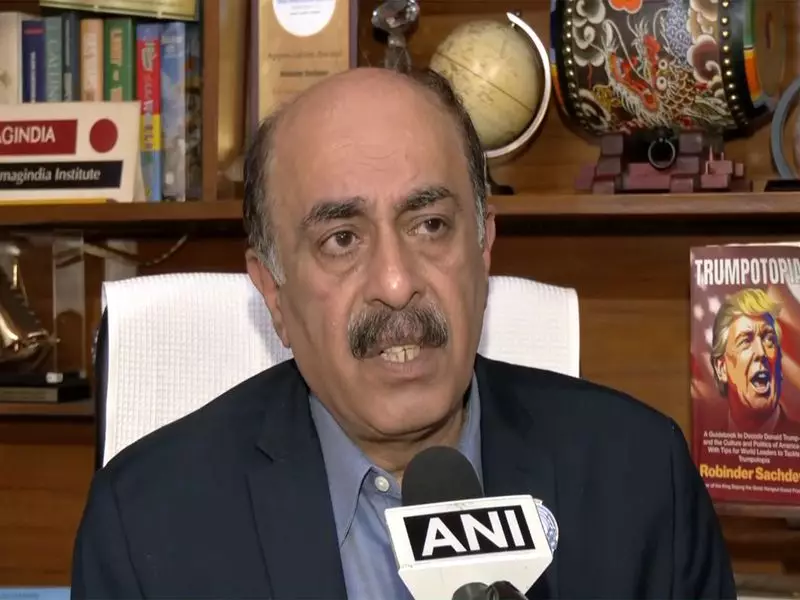
The political landscape in Venezuela remains highly unpredictable and tense as the country approaches a pivotal presidential election, according to a leading foreign affairs analyst. Michael Shifter, a senior fellow at the Inter-American Dialogue, characterized the situation as "very fluid," highlighting the significant challenges and potential for instability.
An Expert's Assessment of a Volatile Landscape
In a recent interview, Michael Shifter provided a stark analysis of the conditions in Venezuela. He pointed to the government's consistent pattern of repression and its tight control over state institutions as major factors contributing to the uncertainty. The upcoming election on July 28 is seen as a critical juncture, but Shifter expressed deep skepticism about the prospects for a free and fair electoral process under the current regime led by Nicolas Maduro.
Shifter explained that the environment is marked by constant movement and change, making outcomes difficult to predict. The main opposition has united behind a single candidate, Edmundo Gonzalez Urrutia, presenting a significant challenge to Maduro's hold on power. However, the expert noted that the government retains powerful tools to influence the result, including its dominance over the electoral council and the judiciary.

International Stakes and Diplomatic Maneuvers
The situation in Venezuela holds considerable importance for international relations, particularly for the United States. The US administration had previously eased some oil sanctions on Venezuela in a diplomatic gesture, contingent on the Maduro government allowing a competitive electoral environment. Shifter suggested that the US is likely to reimpose these sanctions if the elections are deemed unfree or unfair, a move that would have immediate economic consequences for Caracas.
This potential reversal of policy underscores the high-stakes diplomatic dance surrounding the crisis. The international community, including major regional players, is closely watching for signs of whether the electoral process will meet basic democratic standards. The fluidity of the situation means that diplomatic positions and economic measures could shift rapidly based on events on the ground in the coming weeks.
Implications for Stability and the Future
The expert's analysis paints a picture of a nation at a crossroads, with its immediate future hanging in the balance. The "very fluid" environment suggests a heightened risk of social unrest or governmental crackdowns as the election date nears. The fundamental question remains whether the Venezuelan people will be given a genuine opportunity to choose their leadership or if the process will be manipulated to ensure the incumbent's victory.
Shifter's comments serve as a sobering reminder of the deep political crisis that continues to grip Venezuela. The outcome of the July vote will not only determine the country's domestic trajectory but will also reshape its relationships with key global powers. The coming months will test the resilience of democratic institutions and the international community's commitment to upholding electoral integrity in a highly polarized and volatile setting.