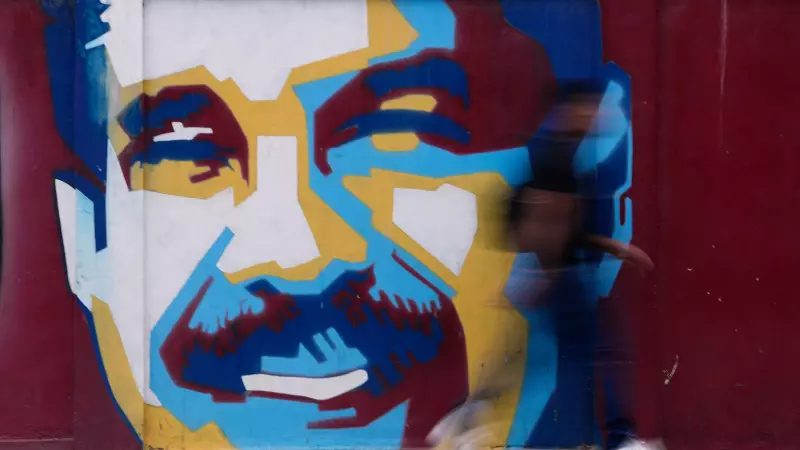
Venezuela has entered a new and uncertain political chapter following the controversial re-election of President Nicolas Maduro for a third term. This development coincides with the potential return of former US President Donald Trump to the White House, setting the stage for a complex geopolitical recalibration. The situation poses critical questions for global diplomacy, energy markets, and specifically for India, a key importer of Venezuelan crude oil.
Maduro's Controversial Victory and the US Stance
On July 28, 2024, Nicolas Maduro claimed a decisive victory in Venezuela's presidential election, securing a third term that will extend his rule to 2031. However, the electoral process was widely criticized by international observers, including the European Union and the United States, for lacking a level playing field. The main opposition candidate, Edmundo Gonzalez, was a last-minute substitute, and prominent opposition figures like Maria Corina Machado were barred from running.
The immediate international reaction was mixed. While allies like Russia, China, and Iran congratulated Maduro, the United States, under President Joe Biden, condemned the election as "neither free nor fair." The Biden administration has maintained a policy of conditional engagement, offering sanctions relief in exchange for democratic concessions, a deal that now appears fragile.

The most significant variable now is the possible return of Donald Trump to the US presidency. During his previous term, Trump's administration recognized opposition leader Juan Guaido as Venezuela's legitimate president and imposed crippling sanctions on the country's oil sector. A second Trump term could signal a dramatic reversal of Biden's more nuanced approach, potentially reinstating harsh economic penalties.
What a Trump Victory Could Mean for Venezuela and Global Oil
The prospect of Donald Trump winning the November 2024 US election is causing anxiety in Caracas. Analysts suggest a Trump administration would likely take a far more aggressive stance against the Maduro regime. Marco Rubio, a powerful Republican senator with significant influence on Latin America policy, is expected to play a key role in shaping this hardline approach. The central question is whether Trump would reimpose the stringent sanctions that were temporarily relaxed by Biden.
This has direct implications for global oil markets. Venezuela sits on the world's largest proven oil reserves. Under the Biden-sanctioned relief, Venezuela's oil production had begun a slow recovery, and exports to key markets, including India, resumed. Indian refiners, such as Reliance Industries and Nayara Energy, have been significant buyers of Venezuelan crude. A renewed US crackdown could disrupt these flows, forcing India to seek alternative sources and potentially impacting fuel prices.
Furthermore, the geopolitical alignment could shift. A hardened US position might push Venezuela closer to strategic partners like Russia and Iran, further consolidating an axis of nations operating outside the Western-led order. This could have ripple effects on other diplomatic issues, including the ongoing conflict in Ukraine.
Key Questions for the Future of US-Venezuela Relations
The evolving situation raises several pivotal questions that will define the coming months. First, will the Maduro government use its new mandate to engage in genuine dialogue with the fractured opposition, or will it further consolidate power? The regime's commitment to the Barbados Agreement, which outlined a path toward fair elections, is now under severe doubt.
Second, and most crucially, what will be the US policy after its own presidential election? The choice between Biden's conditional engagement and Trump's "maximum pressure" model presents two radically different futures for Venezuela. The outcome will determine the economic lifeline for the Venezuelan people, who continue to suffer from hyperinflation and mass migration.

Finally, how will other major nations, particularly energy-hungry economies like India, navigate this instability? India has traditionally maintained a pragmatic, non-interventionist stance toward Venezuela, prioritizing energy security and diplomatic independence. New Delhi will need to carefully balance its relationship with Washington and its need for diversified oil imports amid the looming uncertainty.
In conclusion, Venezuela's political landscape stands at a precarious crossroads. The intersection of Maduro's contested victory and the looming US election creates a perfect storm of uncertainty. The decisions made in Washington and Caracas in the coming year will not only shape Venezuela's destiny but also influence global energy dynamics and the diplomatic calculus of nations like India for years to come.