

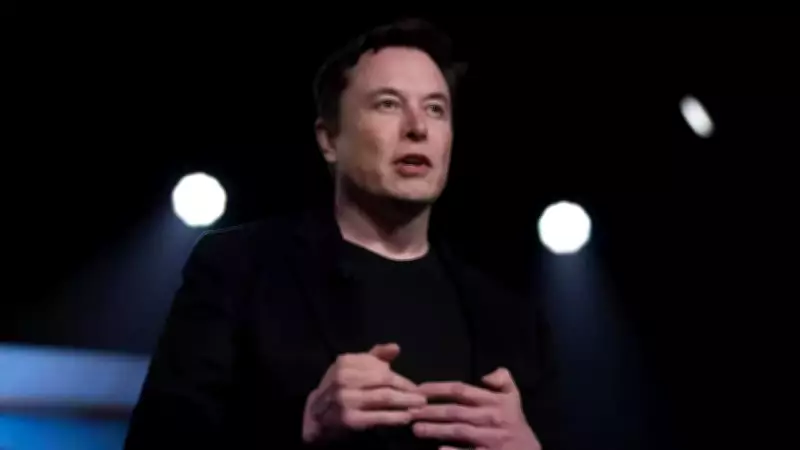
White House Declines Elon Musk's Offer to Fund TSA Salaries
The White House has formally rejected a proposal from billionaire entrepreneur Elon Musk to cover the salaries of Transportation Security Administration (TSA) workers during the ongoing partial government shutdown. This decision highlights the legal and political complexities surrounding the funding crisis affecting thousands of federal employees.
Musk's Generous Proposal and White House Response
Last week, Elon Musk took to social media platform X to announce his willingness to pay the salaries of TSA personnel, stating that the funding impasse is negatively impacting many Americans at airports across the country. In his post, Musk expressed concern over the delays and hardships caused by the shutdown.
However, the White House swiftly turned down this offer. Abigail Jackson, a spokesperson for the White House, conveyed the administration's appreciation for Musk's generosity but emphasized the legal hurdles involved. Jackson explained that Musk's involvement with federal government contracts poses significant legal challenges, making such a private funding arrangement unfeasible.

Jackson further asserted that the most effective solution to ensure TSA employees receive their pay is for Democrats in Congress to approve funding for the Department of Homeland Security (DHS), under which the TSA operates. This stance underscores the political divide over immigration policies that has led to the shutdown.
Impact of the Funding Crisis on TSA Operations
The partial government shutdown, which began on January 30, has severely disrupted TSA operations. As a result, TSA agents received their first zero-paycheck on March 13, creating financial strain for many workers. The DHS reports that up to 10% of TSA agents have failed to report for duty on certain days this week, with absence rates soaring to approximately 20% at some airports.
TSA agents typically start with an annual salary of around $40,000, and the agency employs nearly 50,000 individuals nationwide. The staffing shortages have led to significant operational challenges, including longer wait times and unpredictable checkpoint staffing levels for passengers.
On March 25, the TSA announced that wait times have reached the worst levels in the agency's history, with some travelers enduring delays of over four and a half hours to clear security checkpoints. Acting Administrator Ha Nguyen McNeill testified before a House Homeland Security Committee hearing, revealing that the TSA has lost more than 480 transportation security officers since the funding lapse began on February 14, roughly 40 days ago.
Broader Implications and Political Context
The funding crisis stems from congressional debates over immigration policies, which have stalled the approval of budgets for key agencies like the DHS. This impasse has not only affected TSA workers but also disrupted airport operations nationwide, causing inconvenience and uncertainty for millions of passengers.
The rejection of Musk's offer highlights the limitations of private interventions in resolving government funding disputes. It also points to the urgent need for legislative action to address the shutdown's consequences. As the situation continues, stakeholders are calling for a swift resolution to restore normalcy and support federal employees.
In summary, while Elon Musk's offer was well-intentioned, legal and political barriers have prevented its acceptance, leaving the fate of TSA salaries dependent on congressional funding decisions.






