

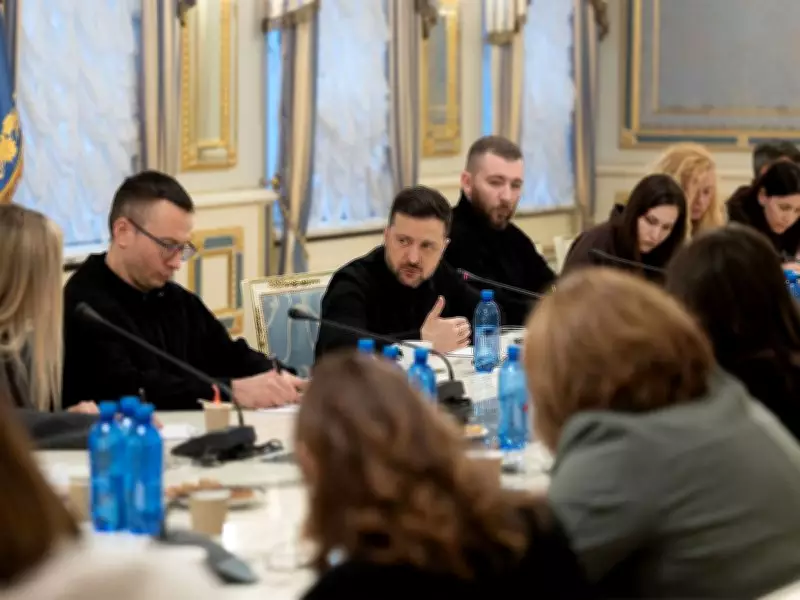
Zelenskyy Highlights Ukraine's Defense Capabilities in Middle East Outreach
Ukrainian President Volodymyr Zelenskyy has revealed that Ukraine is actively sharing its military expertise, particularly in interceptor technology, with select nations in the Middle East. This move marks a significant step in strengthening defense ties and fostering international partnerships during Ukraine's ongoing conflict with Russia.
Demonstrating Advanced Interceptor Systems
In a recent statement, Zelenskyy emphasized that Ukraine has demonstrated to some countries how to work with interceptors, showcasing its capabilities in air defense systems. This initiative is part of a broader strategy to enhance Ukraine's global defense cooperation, leveraging the experience gained from real-world combat scenarios.
The president noted that these demonstrations involve cutting-edge technology designed to counter aerial threats, which has been refined through Ukraine's extensive use in the war. By sharing this knowledge, Ukraine aims to bolster regional security and establish itself as a key player in international defense networks.

Deepening Defense Cooperation in the Middle East
Zelenskyy's comments highlight a focused effort to deepen defense cooperation in the Middle East, a region with complex security dynamics. This cooperation is seen as mutually beneficial, allowing Middle Eastern nations to access advanced military solutions while providing Ukraine with strategic alliances and potential economic opportunities.
The president did not specify which countries are involved, but the outreach suggests a pragmatic approach to diplomacy, building on shared security interests. This move could help Ukraine diversify its international support base beyond traditional Western allies.
Strategic Implications and Global Context
This development comes amid Ukraine's prolonged conflict, where defense innovation has become crucial. Zelenskyy's announcement underscores Ukraine's ability to contribute to global security despite its own challenges, positioning the nation as a resilient and technologically adept partner.
Experts suggest that such cooperation could lead to joint training programs, technology transfers, and enhanced military interoperability. It also reflects a broader trend of nations seeking to modernize their defense arsenals in response to evolving threats.
As Ukraine continues to navigate its war efforts, initiatives like this demonstrate its commitment to proactive diplomacy and defense leadership on the world stage.






