

Hearings for additions and corrections in the draft Special Intensive Revision (SIR) voter roll commenced on January 6 across Uttar Pradesh. However, a significant administrative task remains pending in the key districts of Gautam Budh Nagar (which includes Noida) and Ghaziabad. The local administrations have not yet started the crucial process of issuing formal notices to a staggering three lakh voters who have been categorised as "unmapped."
The Challenge of Unmapped Voters
These three lakh voters, whose names appear in the draft roll, find themselves in a peculiar situation. They are tagged as "unmapped" because their current details could not be verified or matched with the baseline electoral records from 2003. According to Election Commission of India (ECI) guidelines, the electoral registration officer is mandated to serve notices to all such individuals through Booth-Level Officers (BLOs).
The notice will instruct the voter to establish their eligibility to be included in the final roll. A senior official explained the procedure: "The BLO will deliver the notice at the voter's doorstep. Upon receipt, the voter will have approximately 14 days before their hearing is conducted by the Assistant Electoral Registration Officer (AERO). The specific date, time, and venue for the hearing will be clearly mentioned in each notice."

Officials confirmed that these notices are generated automatically with pre-filled voter details, following the ECI's standardized process. During the hearing, voters must present valid documents to prove their eligibility for inclusion.
Sharp Reduction in Electorate Numbers
The draft electoral rolls, published on January 6, reveal a substantial cleanup of the voter lists. This follows a 62-day Special Intensive Revision drive aimed at removing voters classified as ASD (Absent, Shifted, or Dead). The impact has been significant:
- In Gautam Budh Nagar (Noida, Dadri, Jewar), the electorate shrank by 24%, from 18.7 lakh voters to 14.3 lakh in the draft roll.
- Ghaziabad witnessed an even sharper reduction of 29%, with the draft roll listing 20.1 lakh voters compared to the previous 28.4 lakh.
Despite the delay in notice issuance for unmapped voters, the hearing process for other claims and objections is underway. Saurabh Bhatt, Additional District Magistrate of Ghaziabad, stated, "Claims and objections are mostly for new voter additions, changes in existing details, and deletions. These will be reflected in the final electoral roll to be published on March 6." He added that the administration plans to engage with labour-intensive industries to distribute Form 6 for new voter registrations.
How Voters Can Verify Details and Submit Claims
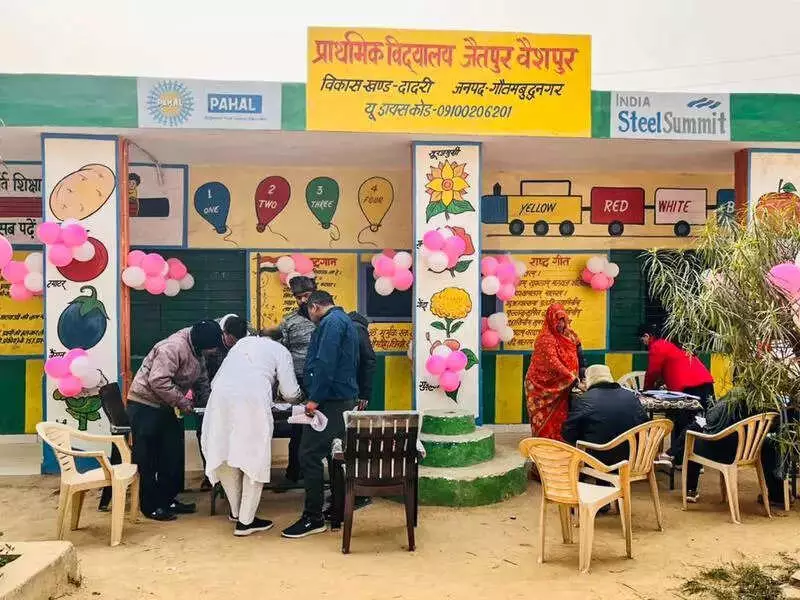
With the window for objections and claims closing on February 26, authorities are urging voters to proactively check their status. In Noida, District Magistrate Medha Rupam announced a special verification camp on January 11. "All BLOs have been instructed to be present at their respective polling stations. They will read out voter lists in Gram Sabha and ward committee meetings. Voters should come forward to check names, point out errors, and submit claims or objections on the spot," Rupam said.
Voters can also independently verify their details through multiple digital channels:
- Using the "search your name in electoral roll" feature on the Chief Electoral Officer, Uttar Pradesh website: ceouttarpradesh.nic.in
- Via the National Voter's Service Portal at voter.eci.gov.in
- By downloading and using the Voter Helpline mobile app.
- The draft rolls are also available for public inspection on district portals: gbnagar.nic.in/deo-portal for GB Nagar and ghaziabad.nic.in for Ghaziabad.
For different voter services, specific forms must be used: Form 6 for new registrations, Form 6A for migrant voters, Form 7 for objections or deletions, and Form 8 for corrections, address changes, or marking a voter as disabled.

The coming weeks are critical for the electoral machinery in these two NCR districts as they race to complete the notice process for unmapped voters and address the influx of claims and objections before the final roll is frozen in March.





