Bihar Assembly Elections 2025: Detailed Vote Analysis Reveals Interesting Patterns
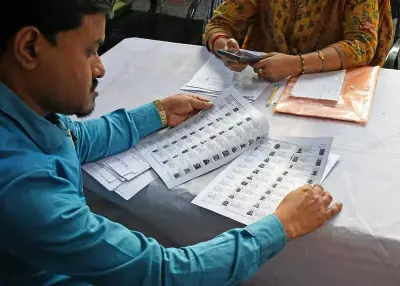
The Election Commission of India has released comprehensive data from the recently concluded Bihar Assembly Elections 2025, revealing that winning candidates from various political parties secured vote counts ranging between 60,000 and 1.5 lakh votes across different constituencies. The detailed breakdown provides significant insights into the electoral landscape of one of India's most politically significant states.
Vote Distribution Patterns Across Parties
According to the Election Commission's data published on November 19, 2025, successful candidates demonstrated considerable variation in their vote margins. While some winners managed to cross the victory line with approximately 60,000 votes, others secured commanding leads with up to 1.5 lakh votes. This substantial range highlights the diverse electoral dynamics at play across Bihar's different regions and constituencies.
An interesting observation from the data indicates that BJP candidates secured votes that largely clustered around the 1.22 lakh range, showing remarkable consistency in their performance across multiple constituencies. This pattern has drawn attention from political analysts who note the unusual similarity in vote totals among BJP winners, suggesting a highly coordinated campaign strategy.

Constituency-Wise Results and Electoral Implications
The Election Commission has made available complete constituency-wise results covering all major regions of Bihar. The comprehensive list includes results from Valmiki Nagar in the north to Jagdishpur in the south, and from Sikta in the west to Kishanganj in the east. Each constituency displayed unique voting patterns reflecting local issues, candidate popularity, and party strength in specific regions.
Political observers are particularly analyzing the implications of these vote distributions for future electoral strategies. The consistency in BJP candidate votes around the 1.22 lakh mark, compared to the wider variation seen among other parties, suggests different campaign approaches and voter mobilization techniques. This data becomes crucial for understanding the evolving political landscape in Bihar as parties prepare for future electoral battles.
The Election Commission's transparent release of this detailed voting information allows for deeper analysis of democratic processes in India's state elections. As political parties study these numbers, they will undoubtedly shape their approaches for upcoming electoral contests, making this data invaluable for understanding contemporary Indian politics.