

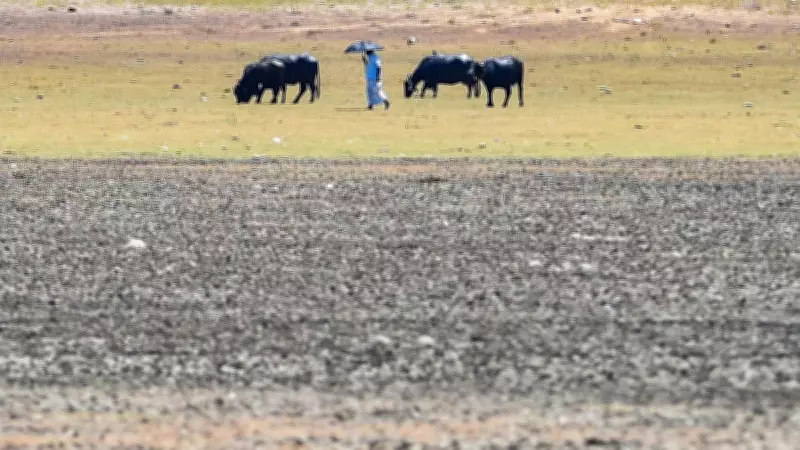
Climate Risks Emerge as Pivotal Factor in April Assembly Elections
As India gears up for a series of crucial assembly elections scheduled for April, a new and pressing concern is dominating the political landscape: climate risks. Environmental challenges, particularly extreme heatwaves and acute water scarcity, are increasingly shaping voter anxieties and influencing the campaign narratives of political parties across multiple states.
Heatwaves and Water Scarcity Intensify Voter Concerns
Meteorological data and climate projections indicate that several regions slated for polls are likely to experience severe heatwave conditions during the election period. This poses significant logistical challenges for election authorities and raises serious health risks for voters, especially the elderly and those in rural areas. Concurrently, reports of dwindling water resources in many constituencies have amplified public distress, making water management a top-tier issue on the campaign trail.
Political parties are being compelled to address these environmental crises directly in their manifestos and public speeches. Traditional election agendas centered on development, employment, and infrastructure are now being recalibrated to include promises related to climate resilience, sustainable water supply, and heat action plans.

Logistical Challenges and Policy Responses
The Election Commission of India is reportedly formulating special guidelines to mitigate the impact of extreme weather on polling. Potential measures include extending voting hours, setting up more shaded waiting areas, and ensuring adequate drinking water and medical facilities at polling stations. These steps are critical to safeguarding voter turnout and ensuring a smooth electoral process under challenging climatic conditions.
Furthermore, analysts suggest that the integration of climate issues into election discourse reflects a broader shift in public consciousness. Voters, particularly in agrarian and drought-prone regions, are increasingly prioritizing environmental sustainability and disaster preparedness when evaluating candidates and parties.
Broader Implications for Governance and Future Elections
The prominence of climate risks in the April assembly polls underscores a significant evolution in India's democratic process. It highlights how environmental factors are no longer peripheral concerns but are central to governance and public policy debates. The electoral outcomes may well hinge on which parties most effectively communicate and commit to actionable climate adaptation strategies.
This trend is expected to set a precedent for future elections, both at the state and national levels, as climate change continues to manifest through more frequent and intense weather events across the country.






