

Climate Extremes Pose Major Test for India's 2026 April Assembly Elections
As India gears up for the crucial Assembly elections scheduled for April 2026, the nation faces an unprecedented challenge from climate extremes. Rising temperatures and unpredictable rainfall patterns are set to test the preparedness of election authorities and political parties across multiple states. This situation underscores the growing intersection between environmental factors and democratic processes in the country.
Heatwave Threats in Southern States
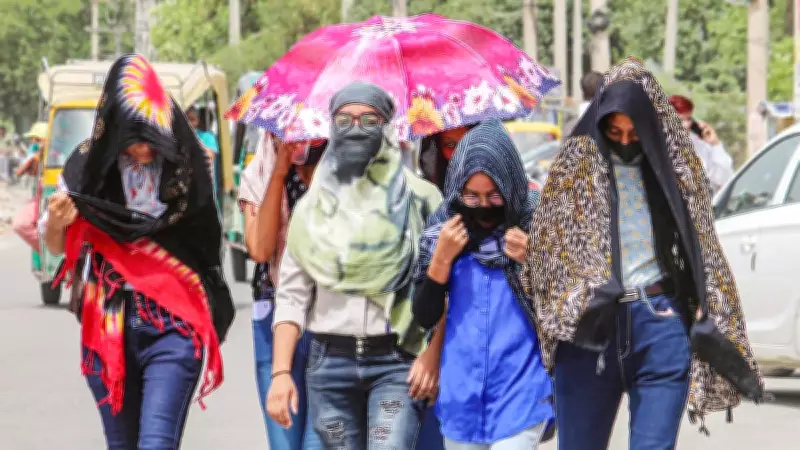
The southern regions of India, including Tamil Nadu, Puducherry, Kerala, and West Bengal, are bracing for severe heatwaves during the election period. Meteorological forecasts indicate that temperatures could soar significantly above normal levels, posing risks to voter health and turnout. Election officials are being urged to implement measures such as:
- Extended polling hours to avoid peak heat periods
- Provision of shaded waiting areas and water facilities at polling stations
- Public awareness campaigns on heat-related illnesses
These steps are critical to ensure that citizens can exercise their franchise safely, without exposure to dangerous heat conditions. The heatwave threat highlights the need for adaptive strategies in election planning, especially in regions prone to extreme weather events.

Erratic Rains Challenge Assam's Election Logistics
In contrast to the southern heat, Assam is expected to face erratic and heavy rainfall during the same period. This could lead to logistical nightmares, including:
- Flooding of roads and disruption of transportation networks
- Damage to polling booths and electronic voting machines
- Difficulties in voter access, particularly in remote and rural areas
Authorities in Assam are ramping up contingency plans, such as deploying boats and amphibious vehicles for election staff and materials. The state's experience with monsoon seasons necessitates robust backup systems to prevent delays or cancellations in the voting process.
Broader Implications for Climate Risk Preparedness
These climate-related challenges during the April 2026 Assembly elections serve as a wake-up call for India's overall climate risk preparedness. Key areas of concern include:
- Infrastructure Resilience: Ensuring that polling stations and related facilities are built or modified to withstand extreme weather conditions.
- Policy Integration: Incorporating climate considerations into election guidelines and disaster management protocols.
- Public Health Safeguards: Protecting voters and election workers from heatstroke, dehydration, and waterborne diseases.
The situation also raises questions about the timing of elections in a changing climate, with calls for scheduling polls during milder seasons to mitigate risks. As climate change intensifies, such adaptations may become necessary to uphold democratic integrity.
In summary, the April 2026 Assembly elections in India are not just a political event but a litmus test for the country's ability to manage climate risks. With heatwaves threatening the south and rains disrupting Assam, proactive measures and innovative solutions are essential to ensure a smooth and inclusive electoral process. This episode underscores the urgent need for climate-resilient governance in an era of environmental uncertainty.






