The Congress party in Assam has launched a major protest, leveling serious allegations of electoral manipulation ahead of crucial polls. The party accuses the ruling Bharatiya Janata Party (BJP) of tilting the odds through the inclusion of what it calls 'temporary voters' from other states into the electoral rolls of Assam.
Protest in Guwahati and Allegations of Manipulation
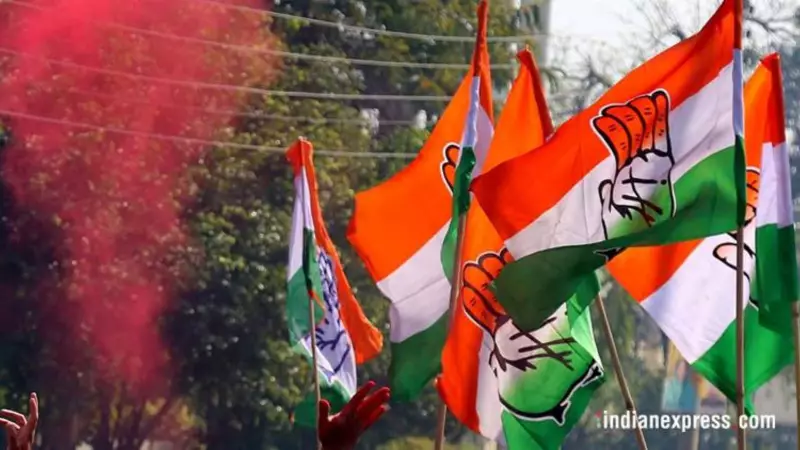
On Tuesday, Congress workers took to the streets in Guwahati, raising the banner of 'vote chori' or vote theft. The demonstration centered on the ongoing Special Revision of electoral rolls in the state. Unlike several other states undergoing a Special Intensive Revision (SIR), Assam is conducting a 'Special Revision'. This distinction is critical because Assam has a unique history with the National Register of Citizens (NRC), a process that remains pending.
The core of the Congress's accusation is the alleged unauthorized inclusion of non-Assamese speaking voters. In a formal letter to the Chief Election Commissioner of India, Gyanesh Kumar, Congress leader and Leader of the Opposition in the Assam Assembly, Debabrata Saikia, cited specific instances. He claimed that four non-Assamese individuals were enrolled from two houses in Guwahati without the knowledge of the families residing there.

"This is something I had raised in the Assembly as well," Saikia stated, questioning the impact on Assamese identity and culture. He warned that the inclusion of large numbers of non-Assamese speakers could shift decision-making power away from the indigenous population.
The Special Revision Process and Official Response
The Special Revision process in Assam involved house-to-house visits by Booth Level Officers (BLOs) for physical verification. However, it is crucial to note that this process, unlike the SIR, does not involve document verification. Following these visits, a draft electoral roll was published on December 27. A window for claims and objections is currently open and will continue until January 22.
Election officials have responded to the Congress's allegations by pointing to this very process. A senior election official in Assam clarified that Indian citizens who migrate have the right to be included in voter lists. Regarding the specific Guwahati case raised by Congress, the official stated that the individuals in question were already on the voter list in 2018 and were living in a rented accommodation.
"Any complaints about wrongful inclusion of any person can be made through filling Form 7," the official emphasized, adding that such complaints must target specific individuals. The official described the process as transparent, with details of objections and objectors available on the Chief Electoral Officer's website.
Political Crossfire and Broader Context
The controversy has ignited a sharp political exchange. Assam Chief Minister Himanta Biswa Sarma advised the Opposition to follow established procedures instead of "crying foul in the media." Meanwhile, another Opposition leader, Akhil Gogoi of Raijor Dol, made a separate claim. He alleged that state BJP chief Dilip Saikia instructed workers to identify and get the names of 'non-BJP voters' deleted from booths—a charge Saikia has denied.
The draft electoral roll data reveals significant changes. During the verification, officials identified 4,78,992 deceased electors for deletion and found 5,23,680 electors who had moved from their registered locations. Additionally, 53,619 duplicate entries were marked for correction. The final draft roll lists a total of 2,52,01,624 electors, showing a net increase of 1.35% from the previous final roll.
This dispute places the Election Commission of India at the center of a heated debate over electoral integrity in a sensitive border state. With the claims and objections window still open, all eyes are on how the Commission will address the grievances raised by the Congress and ensure the sanctity of the voter list ahead of future elections.