In a significant move to ensure greater electoral inclusivity, the Election Commission of India (ECI) is formulating new guidelines to facilitate the enrollment of Adivasi communities in West Bengal. This initiative is part of the ongoing Special Intensive Revision (SIR) 2.0 of the state's electoral rolls.
Addressing the Documentation Hurdle
West Bengal Chief Electoral Officer (CEO) Manoj Kumar Agarwal recently announced that his office is actively considering easing the existing rules for people belonging to various Adivasi groups. The primary challenge identified is the lack of proper documentation among these communities, which has historically led to their exclusion from the voter list.
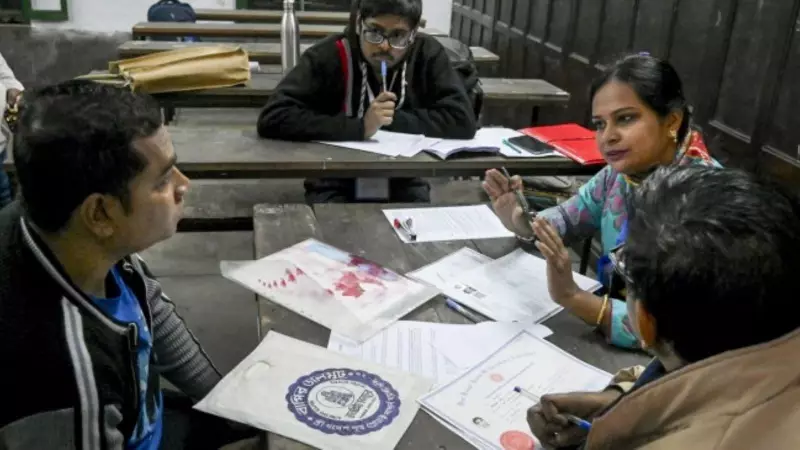
CEO Agarwal stated that District Election Officers (DEOs) have been granted special powers to include eligible individuals from tribal backgrounds. This decentralized approach is designed to overcome bureaucratic hurdles at the local level, where officials can better verify claims through community knowledge and alternative methods.

Communities and Regions in Focus
The revision drive is crucial for districts with a substantial tribal population. In South Bengal, this includes Jhargram, Paschim Medinipur, Purulia, Bankura, and Paschim Burdwan. Key communities such as the Santhal, Oraon, Bhumij, Munda, Lodha, and Birhor groups are expected to benefit from the relaxed norms.
In North Bengal, districts like Malda, Uttar Dinajpur, and Dakshin Dinajpur are also in focus. Furthermore, ECI sources have highlighted specific enumeration issues with smaller tribes like the Toto tribe in Jalpaiguri and the Bhutias in Darjeeling, where traditional documentation is often scarce.
Preventing Large-Scale Exclusion
A source within the CEO's office warned that without these procedural relaxations, scores of Scheduled Tribe people risk being left out of the updated electoral rolls. The standard hearing process under the SIR can be intimidating and inaccessible for many in remote tribal areas.
The new rules under SIR 2.0 aim to create a more empathetic and practical framework. By empowering DEOs to accept a wider range of testimonials and community verification, the ECI hopes to bridge the gap between official requirements and ground realities. This move is seen as vital for strengthening democratic participation in some of the state's most marginalized regions.