

In a significant move aimed at boosting voter inclusion, the Election Commission of India (ECI) has given its official nod for the use of employment records from tea gardens and cinchona plantations as valid documents for establishing identity and residence. This decision is specifically for the ongoing Special Intensive Revision (SIR) of electoral rolls in seven key districts of northern West Bengal.
A Landmark Decision for Plantation Workers
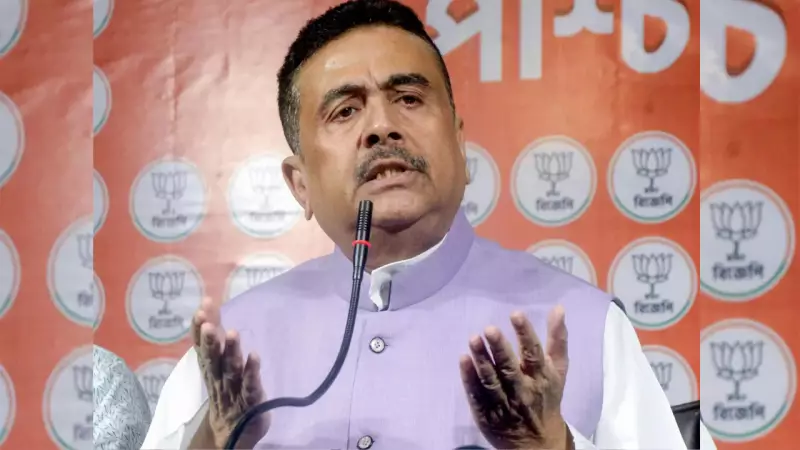
The announcement was made public by senior Bharatiya Janata Party (BJP) leader and Leader of the Opposition in the West Bengal assembly, Suvendu Adhikari, on Sunday. Adhikari shared a copy of the ECI's official letter, dated January 11, addressed to the state's Chief Electoral Officer. The letter clearly states the Commission has conveyed its "no objection" to accepting these specific employment records as valid documentation for the SIR 2026 exercise.
The districts that will benefit from this approval are Darjeeling, Kalimpong, Jalpaiguri, Cooch Behar, Alipurduar, Uttar Dinajpur, and Dakshin Dinajpur. These regions are home to a vast population of tribal communities, forest dwellers, and workers employed in the sprawling tea and cinchona plantations.

BJP Hails Move as a "Major Victory"
In a post on social media platform X (formerly Twitter), written in Hindi, Suvendu Adhikari described the ECI's decision as a "major victory". He framed it as a win for the long-neglected voices of North Bengal's plantation workforce. Adhikari accused the state government of negligence and stated that documentation hurdles had historically deprived these hardworking communities of their fundamental democratic rights.
"This approval applies to the districts of North Bengal, where our hardworking tribal & forest-dwelling people and plantation workers have long been deprived of their democratic rights due to documentation hurdles and the state government's negligence," the BJP leader asserted in his post.
Call to Action for Eligible Voters
Adhikari did not stop at just announcing the decision. He issued a clarion call to all eligible voters in these seven districts. He urged them to proactively come forward and enrol themselves in the electoral rolls by using their official plantation employment records. Emphasising the core tenet of democracy, he stated that voting rights were the true strength of the people and essential for strengthening the democratic fabric of the nation.
This move by the ECI is expected to simplify the voter registration process for thousands of plantation workers who may not possess other conventional documents like Aadhaar cards or utility bills at their place of work. It directly addresses a long-standing accessibility issue, potentially leading to a more inclusive and updated electoral roll in the politically crucial region of North Bengal.






