

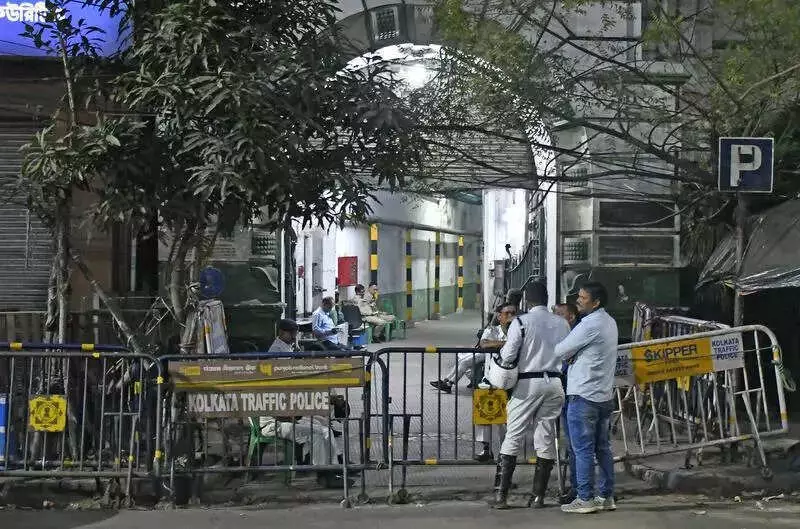
The Election Commission of India's decision to extend the Special Intensive Revision of electoral rolls by one week has sparked mixed reactions among Booth Level Officers and voters in Kolkata, with responses ranging from relief to continued frustration over systemic issues.
Extension Brings Temporary Relief to Overworked Officers
On Sunday, the Election Commission of India announced a seven-day extension for the Special Intensive Revision exercise, pushing the enumeration period to December 11, draft roll publication to December 16, and final roll publication to February 14, 2026. While the poll panel described the move as administrative, critics pointed to mounting public pressure following multiple deaths attributed to the intensive workload.
Several BLOs expressed gratitude for the extended timeline. Arpita Pal, a BLO from Behala who hasn't completed her digitization process, stated: "The earlier deadline was impossible. We were working since morning and filling forms late into the night. This one week gives us at least some breathing space."

Other officers echoed similar sentiments, noting that the revised schedule would help clear pending verification and reduce forced revisits. Baishali Ganguly, a Salt Lake BLO, explained her strategy: "People are often not home during the day. We had to return twice or thrice. That was the reason I started digitization of forms only after all forms were accumulated."
Systemic Issues Remain Unaddressed Despite Extension
Despite the extension, many BLOs warned that fundamental problems persist. A North 24 Parganas BLO highlighted unchanged ground realities: "Targets are the same, population load is the same, internet connectivity is still patchy. Just adding seven days does not solve everything."
The pressure has taken a significant toll on election officials. Over the past month, West Bengal witnessed multiple deaths - including BLOs - which relatives and local party functionaries attributed to door-to-door enumeration pressures, long working hours, and inadequate administrative support.
Mainak Dutta, another BLO, revealed the psychological impact: "We were terrified over missing targets. At least the pressure has eased a little."
BLOs Continue Demanding Comprehensive Solutions
Some officers argued that the one-week extension falls short of addressing the scale of challenges. Tanusree Modok Bhattacharjee, a BLO protesting near the EC office in College Street area, demanded more substantial changes: "We wanted a two-month extension, as one month is just not enough. Apart from the delays in the distribution and verification process, the BLO app is still not working properly."
The confusion and pressure extended beyond BLOs to higher-ranking officials. Ranjit Mandal, a south Kolkata BLO, described 27 days of chaos: "We struggled with lots of confusion as back-to-back instructions were coming to us, resulting in immense mental pressure."
An Assistant Electoral Registration Officer from north Kolkata offered a different perspective, noting that the timing of the extension created its own challenges: "Had there been an extension before, we would not have needed to put pressure on BLOs. This extension is not giving us any respite as over 90% of the work is already done, and the extension will break the rhythm of work."
As the revised deadlines approach, both voters and election officials await to see whether the additional week will sufficiently address the concerns that prompted the extension or merely postpone addressing the systemic issues plaguing the electoral revision process.






