In a significant discovery during a statewide electoral clean-up drive, authorities in Gujarat have identified more than 17 lakh deceased individuals whose names are still erroneously present on the official voter lists. This finding has raised serious concerns about the accuracy and integrity of the state's electoral rolls.
Massive Clean-Up Drive Uncovers Inaccuracies
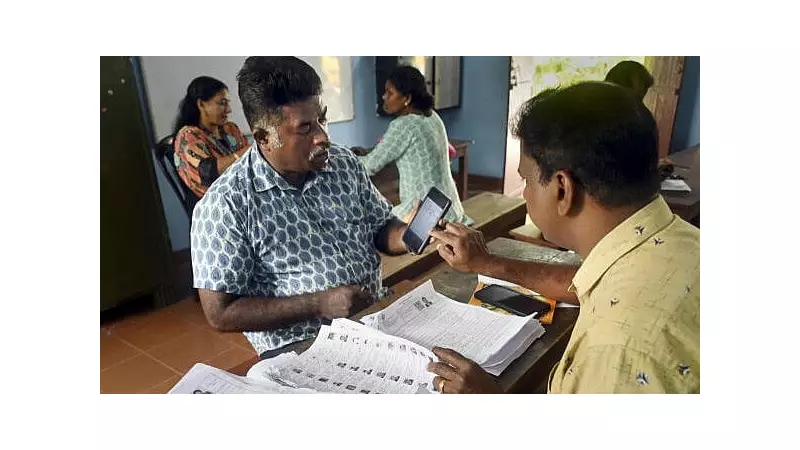
The startling figure emerged from the ongoing Special Intensive Revision (SIR) exercise, a comprehensive effort to purify the voter database. The revision process was officially launched across Gujarat on November 4, 2025. Since then, teams of Booth Level Officers (BLOs) have been meticulously working on the ground, visiting households in their designated areas to verify and update voter information.
The primary task of these officers involves distributing and collecting enumeration forms to cross-check the details of every registered voter. This door-to-door verification is a cornerstone of the SIR, aimed at weeding out duplicate, incorrect, or ineligible entries to create a more reliable and transparent electoral roll.
Scale and Implications of the Discovery
The discovery of over 1.7 million deceased voters highlights a systemic issue in maintaining updated records. Such large-scale inaccuracies, if left unaddressed, could potentially undermine the fairness of the electoral process. The presence of 'ghost voters' on the lists opens the door to potential misuse and calls into question the efficacy of previous revision cycles.
The SIR exercise is a critical administrative function conducted periodically to ensure that the right to vote is exercised only by legitimate, living citizens. The current drive underscores the immense challenge faced by the Election Commission in a populous state like Gujarat, where demographic changes are constant.
Next Steps in the Electoral Revision Process
Following the initial data collection by BLOs, the information will be scrutinized and verified at higher administrative levels. The names of the deceased, along with other ineligible entries, will be formally proposed for deletion from the rolls. Notices will be published, allowing for claims and objections from the public before the final list is prepared.
This rigorous process is designed to be transparent and inclusive, giving citizens a chance to correct any errors concerning their own enrollment. The successful completion of the SIR is expected to result in a significantly cleaner and more accurate voter list, which is fundamental to conducting free and fair elections in the state.
The scale of this clean-up operation reflects the administration's commitment to strengthening democratic institutions by ensuring the sanctity of the electoral roll, a foundational element of any democracy.