

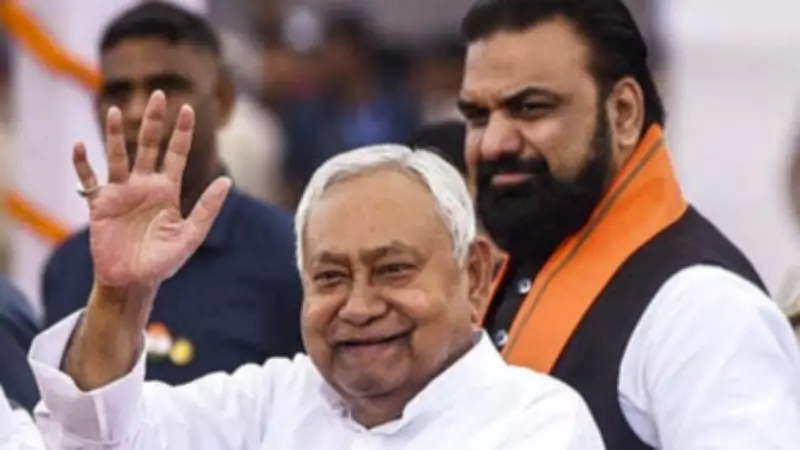
The Enigma of Nitish Kumar's Political Trajectory in Bihar
Nitish Kumar, the Chief Minister of Bihar, has long been a central figure in the state's political arena, but his recent maneuvers have sparked widespread speculation and analysis. His journey from securing a landslide victory to now contemplating an exit plan presents a complex puzzle that reflects the volatile nature of Bihar's politics. This shift underscores the challenges of maintaining power in a region known for its fluid alliances and intense rivalries.
A Landslide Victory and Its Aftermath
In the 2020 Bihar Assembly elections, Nitish Kumar's Janata Dal (United), or JD(U), in alliance with the Bharatiya Janata Party (BJP), achieved a significant victory. This win was seen as a testament to his leadership and the coalition's strength, securing a majority in the state legislature. However, the aftermath of this triumph has been marked by internal tensions and external pressures, leading to questions about the sustainability of his political dominance.
Key factors contributing to this situation include:

- Alliance dynamics: The partnership with the BJP, while electorally successful, has faced strains over policy disagreements and power-sharing arrangements.
- Leadership challenges: Nitish Kumar's age and health concerns have raised doubts about his long-term viability as a leader, prompting discussions about succession plans.
- Opposition pressure: Rival parties, such as the Rashtriya Janata Dal (RJD), have capitalized on these weaknesses, mounting aggressive campaigns to undermine his authority.
The Exit Plan: Speculations and Realities
Recent reports suggest that Nitish Kumar is considering an exit strategy, which could involve stepping down from the chief minister's post or realigning with different political partners. This potential move is driven by a combination of personal and political factors, including a desire to secure his legacy and navigate the changing political landscape. Analysts point to several possible scenarios, such as forming a new coalition or handing over power to a trusted successor within the JD(U).
Implications of such an exit plan are far-reaching:
- Impact on Bihar's governance: A leadership change could disrupt ongoing development projects and policy initiatives, affecting the state's progress.
- Shifts in national politics: As a key player in the National Democratic Alliance (NDA), Nitish Kumar's decisions could influence broader coalition dynamics at the central level.
- Electoral consequences: Future elections in Bihar may see realigned voter bases and new political equations, depending on how this exit unfolds.
Analyzing the Nitish Kumar Puzzle
The puzzle of Nitish Kumar's political stance lies in balancing his past achievements with future uncertainties. His tenure has been marked by initiatives in infrastructure, education, and social welfare, earning him both praise and criticism. Yet, the current scenario highlights the fragility of political power in Bihar, where alliances can shift rapidly and leaders must constantly adapt to survive.
Observers note that this situation is not unique to Bihar but reflects broader trends in Indian politics, where regional leaders often grapple with coalition pressures and personal ambitions. The outcome of Nitish Kumar's deliberations will likely shape Bihar's political trajectory for years to come, making it a critical case study in leadership and strategy.






