

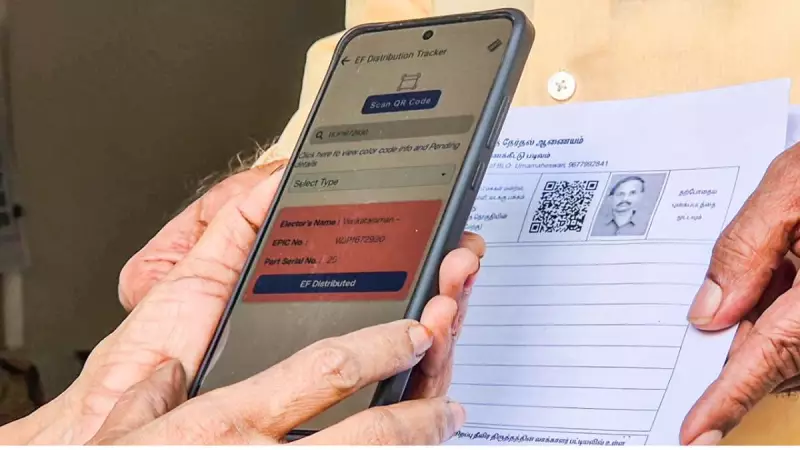
A significant exercise to clean up the electoral rolls in Gujarat has uncovered startling discrepancies, raising serious questions about the accuracy of the state's voter database. The scrutiny has identified a massive number of ineligible entries, including voters who are deceased and individuals registered multiple times.
Scale of Irregularities in the Voter List
The findings are concerning for the integrity of the electoral process. According to the data, more than 17 lakh (1.7 million) voters listed in the rolls have been found to be deceased. This means their names were never removed from the official list after their death, leaving them as potential conduits for electoral fraud.
In a parallel discovery, the review found over 3.25 lakh (325,000) voters falling into the 'repeated' or duplicate category. These are instances where the same individual appears more than once in the voter list, often with minor variations in spelling or address details. Such duplicates can potentially allow a single person to cast multiple votes.

Official Response and Corrective Measures
The revelations came to light during a routine summary revision of the electoral rolls. Election officials have stated that the process of identifying and removing these ineligible entries is already underway. The clean-up drive is a continuous effort mandated by the Election Commission of India to ensure that the voter list is current, accurate, and free from errors.
Officials have emphasized that the identification of these entries does not imply malpractice has already occurred, but is a proactive step to prevent any possibility of it. The removal process involves following a strict legal protocol, including issuing notices and allowing for objections, to ensure no legitimate voter is wrongly deleted.
Implications for Electoral Integrity
The presence of such a high number of erroneous entries highlights the challenges in maintaining perfect voter lists in a large and dynamic democracy like India. Migration, deaths, and clerical errors can lead to these inconsistencies over time.
This clean-up is crucial for upholding the principle of 'one person, one vote', which is the cornerstone of a free and fair election. An inflated voter list with ghost or duplicate entries can undermine public confidence in the electoral system and its outcomes.
The Election Commission's efforts in Gujarat are part of a nationwide drive to sanitize electoral rolls. The successful identification of these lakhs of ineligible voters demonstrates the effectiveness of the technological tools and data-matching processes now being employed. It is expected that once the purge is complete, the Gujarat voter list will be a more accurate reflection of the actual eligible electorate, strengthening the democratic process in the state.






