

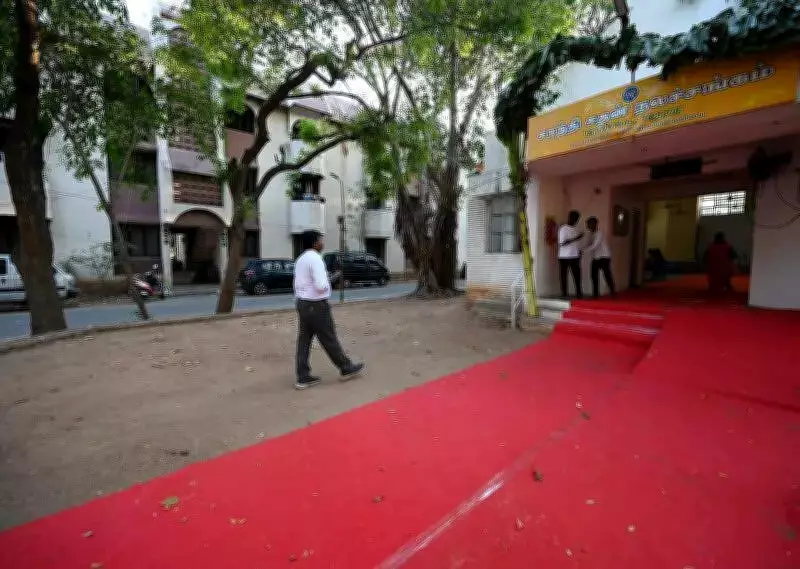
Madurai Pioneers Polling Station in Housing Colony to Enhance Voter Accessibility
In a groundbreaking initiative, Madurai has established its first-ever polling station within a residential housing colony, specifically at Shanti Sadan in Kochadai. This strategic move is designed to significantly improve voting convenience for the colony's residents, particularly targeting those living in apartments and similar complexes.
Addressing Low Voter Turnout with Proactive Measures
An official from the district collector's office highlighted that the decision stemmed from observed low voter participation from such residential areas. "We noticed that not many people from these places would vote, so this move was taken," the official stated. He further emphasized that this could serve as a model for future elections, with potential expansions to more apartment complexes across the city.
Welcoming the Decision for Senior Citizens and Residents
Bhaskar, treasurer of the Shanti Sadan welfare association, expressed strong support for the new polling station. "Most of the residents of the housing colony are senior citizens and they find it difficult to travel to a polling station, even though they have a strong desire to vote. The addition of a polling station within places like this will certainly bring up the voting participation percentage," he remarked, underscoring the practical benefits for elderly voters.

Expanding Voter Convenience with Cluster Polling Centers
Beyond the Shanti Sadan initiative, Madurai has implemented an extensive network of approximately 20 cluster polling centers. Each cluster features 10 or more polling stations on a single campus, organized for maximum efficiency. To aid voters, these centers utilize a color-coded system:
- Each polling station is assigned a specific color for easy identification.
- Color-coded maps are prominently displayed on signboards throughout the campus.
- Arrows painted on the ground guide voters directly to their designated polling stations, minimizing confusion and wait times.
This comprehensive approach not only addresses accessibility issues but also sets a precedent for urban election management, potentially inspiring similar efforts in other cities to foster greater civic engagement.






