

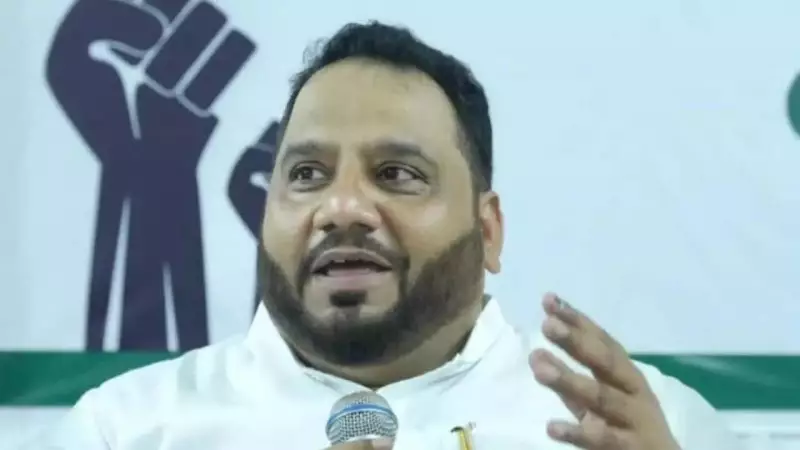
With crucial municipal elections on the horizon in Maharashtra, a prominent community organisation has laid down its clear set of expectations for candidates seeking its support. The Muslim Welfare Association has announced that its backing will be contingent on a firm commitment to core social issues affecting the state's marginalised sections.
Education and Empowerment at the Core of Agenda
In a significant statement, the Association's national figure, Saleem Sarang, outlined the non-negotiable priorities. He emphasised that education remains the most powerful tool for mainstreaming society. The organisation will actively support those candidates who present concrete, result-oriented plans for ensuring quality education, skill development for the youth, and genuine social empowerment.
Sarang stated that fundamental issues such as education, reservation, protection, and upliftment of the Muslim, Bahujan, and other marginalised communities must be at the very centre of a candidate's electoral agenda to gain the Association's endorsement.

Combating Social Menaces and Ensuring Inclusivity
Moving beyond traditional issues, the Association also highlighted the growing challenge of substance abuse. Sarang pointed out that this menace has become a serious social problem. Therefore, candidates who demonstrate a genuine commitment to strengthening society through de-addiction initiatives, rehabilitating affected youth, and running public awareness campaigns will receive the group's full support.
The policy applies uniformly across all regions of Maharashtra. Sarang stressed that candidates working in the broader interest of society—specifically for the rights, safety, and equal opportunities for Muslim, Bahujan, and marginalised sections—will be the ones backed by the Association.
Official Candidate List Forthcoming
The organisation has also informed that the process of identifying suitable candidates is underway. A list of socially committed candidates who will receive the official support of the Muslim Welfare Association is expected to be announced publicly in the near future.
This move is seen as an effort to consolidate community opinion and ensure that electoral choices are aligned with a clear agenda of development and social justice for the most vulnerable populations in the state's urban civic bodies.






