

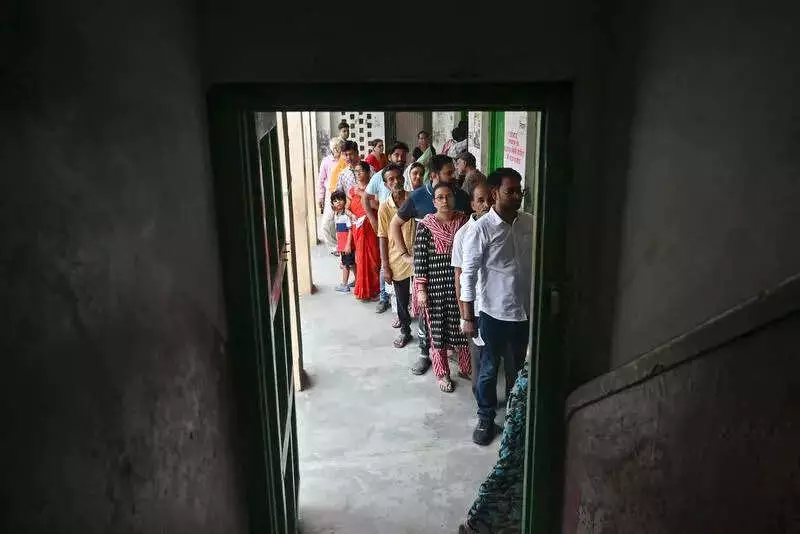
As Nagpur gears up for elections, a critical yet often ignored operational challenge has come to the fore, voiced primarily by women polling staff. With numerous schools across the city set to transform into polling booths, the dire state and poor usability of washrooms on these premises have become a pressing concern for the personnel stationed there for extended hours.
A Basic Need Overlooked in Election Preparations
While election authorities typically concentrate on logistics like EVM movement, security, and crowd management, the fundamental issue of functional sanitation facilities is being highlighted by women officers. They point out that staff remain at booths for long shifts with limited opportunity to leave, making access to clean toilets essential. The problem intensifies during the winter season when the need to use washrooms increases.
A woman teacher assigned for election duty shared her unsettling experience. "In several schools, the toilet is not in the best condition," she said. "A nominal cleaning is done before the premises is handed over. Often, windows are broken and merely covered with newspaper taped to the frame, which looks very creepy."

Broken Latches, Poor Lighting, and Water Shortages
The concerns extend beyond just cleanliness. Polling staff have enumerated a list of persistent issues that make their duty arduous:
- Broken door latches compromising privacy.
- Inadequate lighting inside washroom facilities.
- Irregular cleaning schedules during poll day.
- Limited or unreliable water supply.
Another teacher explained the practical difficulty, stating, "If the washroom is not clean, it becomes difficult to use it throughout the day. We are on duty for hours and cannot keep postponing basic needs." She added a stark comparison, noting, "I teach in a grant-in-aid school where we receive limited funds for upkeep. Toilets in such schools do not have the hygiene level seen in private institutions."
Health Compromises and Menstrual Hygiene Concerns
Faced with such unhygienic conditions, some women officers admitted to adopting a harmful coping mechanism. They deliberately restrict their water intake on polling day to avoid using the washrooms, acknowledging it as a non-ideal solution during a demanding work shift.
Separately, the conversation has also touched upon the sensitive issue of menstrual hygiene management at school polling stations. While no staff member spoke directly about arrangements for changing sanitary pads, officers confirmed the issue is real and becomes significantly more challenging and distressing when the available washrooms are poorly maintained and lack basic amenities.
The situation underscores a significant gap in election preparedness, where the basic welfare and dignity of the polling staff, especially women, require immediate attention alongside the more visible logistical arrangements.






