

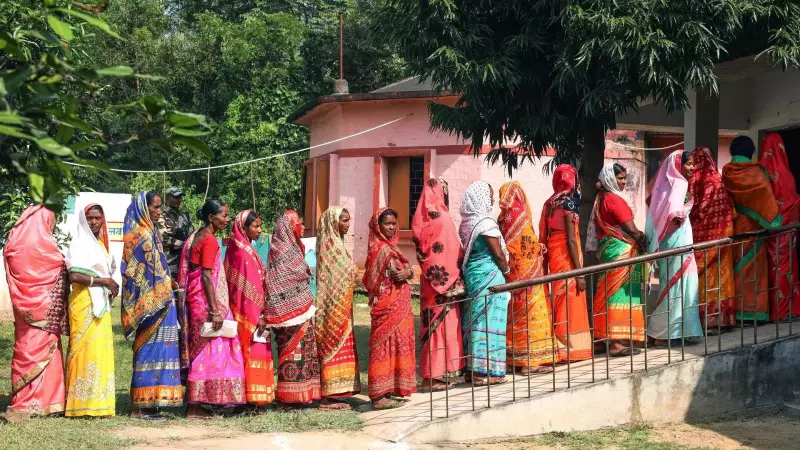
In a clear recognition of their decisive electoral power, women voters in two major Indian states are being aggressively courted with direct cash benefits just ahead of crucial polls. This trend underscores a fundamental shift in Indian politics, where women are no longer just a demographic but the definitive kingmakers.
Maharashtra's Timely Transfer Sparks Controversy
With elections for municipal corporations in Mumbai, Pune, and other regions of Maharashtra scheduled for January 15, the BJP-led Mahayuti government has announced a significant payout. The government has scheduled the credit of instalments under the Mukhyamantri Majhi Ladki Bahin Yojana for January 14, merely 24 hours before voting begins.
Under this scheme, over 2.5 crore women across the state are set to receive payments for December 2025 and January 2026, totalling Rs 3,000 per beneficiary. The move has immediately drawn sharp criticism from the opposition.

The Maharashtra Pradesh Congress Committee has strongly objected, writing to the State Election Commission. They allege the timing violates the Model Code of Conduct and have requested the disbursement be deferred until after polling concludes.
However, State Revenue Minister Chandrashekhar Bawankule has robustly defended the decision. He stated the payments are part of an ongoing welfare programme and not linked to the election calendar. "This is an ongoing welfare programme of the state government. For polls in 29 civic bodies, women across the entire state cannot be deprived of their rightful benefits," Bawankule asserted, warning that stalling payments would be discriminatory.
Rival Parties Join the Fray with Promises
The focus on women voters is not limited to the ruling alliance. Competing parties have also tailored their promises to appeal to this crucial bloc. The Thackeray cousins, Uddhav and Raj, have promised a "Swabhiman Nidhi" of Rs 1,500 per month for house helps and women from the Koli community in their manifesto for the civic polls.
The political calculus is clear. The Ladki Bahin Scheme is widely credited with playing a key role in the Mahayuti coalition's resounding victory in the last state assembly elections, where the opposition MVA was decisively defeated. The pre-poll transfer serves as a potent reminder of the scheme's benefits to the state's women electorate.
Tamil Nadu Mirrors the Trend Ahead of 2026
A similar narrative is unfolding in Tamil Nadu, which will elect a new assembly in a few months. The DMK government, led by Chief Minister M.K. Stalin, has launched the second phase of its flagship Kalaignar Magalir Urimai Thittam (KMUT). This expansion will bring an additional 17 lakh women under the scheme's ambit.
Furthermore, the state government announced a one-time additional payment of Rs 1,000 in December 2025 to all beneficiaries of the scheme, which already provides a monthly assistance of Rs 1,000. This extra payment was credited ahead of the Pongal festival.
As in Maharashtra, opposition parties including the AIADMK and the BJP have criticised the timing, alleging it was driven by electoral considerations. The DMK government, however, maintains the payment was budgeted and part of existing welfare commitments.
Meanwhile, BJP working president Nitin Nabin has instructed party workers to intensify their campaign against the DMK, focusing on women-centric issues like safety to counter the government's financial sops.
The Undeniable Rise of the Women's Vote
The concurrent events in Maharashtra and Tamil Nadu highlight a national pattern where women are increasingly determining electoral outcomes. Key examples include:

- Bihar 2025 Assembly Elections: Women's turnout at 71.78% surpassed men's 62.98%, propelling the NDA to victory.
- Maharashtra 2024 Assembly Polls: The Ladki Bahin Yojana was a significant factor in the Mahayuti's sweeping win.
As voters in Mumbai's BMC and across Maharashtra prepare to cast their ballots on January 15, and Tamil Nadu gears up for its assembly battle, one reality is crystal clear. India's "ladki behen" and "penn magal" have transitioned from passive beneficiaries of welfare to active architects of political fortune. Political parties, recognising this transformative power, appear willing to pay any price, both in promises and pre-poll payouts, to secure their invaluable vote.





