

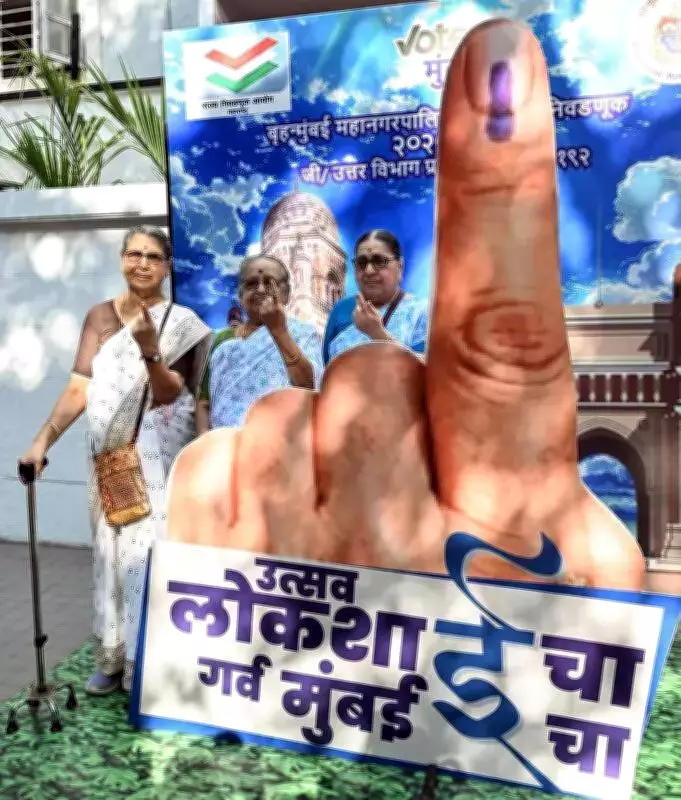
In a significant logistical move ahead of the upcoming local body elections, Pune is set to receive a substantial shipment of indelible ink. Election officials confirmed on Saturday that at least 75,000 bottles of indelible ink, each containing 10 milliliters, are expected to reach the State Election Commission (SEC) by Monday. This delivery is crucial for the zilla parishad and panchayat samiti elections scheduled for February 7, ensuring a smooth and tamper-proof voting process.
Shift from Marker Pens to Traditional Ink
The SEC placed this order with Mysore Paints and Varnish Limited, a supplier approved by the Election Commission of India for Lok Sabha and assembly elections. This decision comes in response to concerns raised during the municipal corporation elections held on January 15, where marker pens were used. Reports on social media claimed that marks from these pens could be erased, prompting the commission to revert to bottled ink as a precautionary measure.
An election official emphasized, "This is simply a precautionary step to avoid any issues." The commission clarified that marker pens used since 2011 contained authentic indelible ink, with fading concerns only emerging during the recent civic elections. They further warned that attempting to tamper with the ink mark constitutes a cognizable criminal offense, underscoring the seriousness of electoral integrity.

Technical Specifications and Distribution
The indelible ink in question contains 10-18% silver nitrate, a formulation that dries in under 40 seconds. It leaves a dark mark that remains resistant to soap, liquids, and common cleaning agents for more than 72 hours, ensuring its durability throughout the election period. According to officials, two bottles will be allocated for each polling booth, with the remaining stock serving as backup. This allocation is deemed adequate to cater to 25,000 polling booths spread across 12 zilla parishads and 125 panchayat samitis.
"We need two bottles for each polling booth and the remaining stock will serve as a backup, which will be adequate," an election official stated, highlighting the meticulous planning involved.
Election Preparations and Manpower Requirements
In preparation for the February 7 elections, extensive arrangements are underway. Election officials have readied 27,000 control units (CUs) and 75,000 ballot units (BUs) to facilitate the voting process. Polling will take place across five districts in the Pune division, including Pune, Satara, Sangli, Kolhapur, and Solapur, as well as districts in the Chhatrapati Sambhajinagar division and Raigad. The counting of votes is scheduled for February 9, with the Supreme Court directing that all local body elections be completed by February 15.
Managing this large-scale electoral exercise requires substantial human resources. At least 1.25 lakh personnel are needed to oversee nearly 25,000 polling booths. SEC officials have made it clear that election duty remains mandatory, and only legitimate exemption requests will be approved. While some teachers have sought relief citing ongoing examinations, only cases that are verified and meet eligibility criteria will be considered. Replacements will be permitted strictly on authentic and validated grounds, ensuring no compromise on staffing.
Quality Assurance and Testing
To address the concerns from the municipal elections, SEC officials have taken proactive steps regarding ink quality. Samples from five municipal corporations were sent to government-approved laboratories following complaints during the previous polls. "We have sent adequate samples, and we are now awaiting the final report," an official noted. These laboratories are examining the ink for indelibility, resistance to removal, and compliance with established standards. However, reports are still pending as the samples undergo thorough analysis.
This comprehensive approach underscores the SEC's commitment to ensuring free and fair elections, leveraging both traditional methods and modern oversight to uphold electoral integrity in Pune and surrounding regions.






