

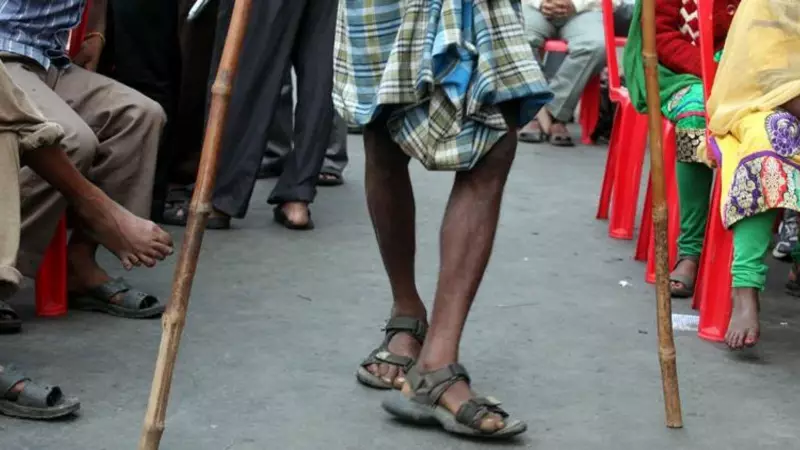
Persons with disabilities in Pune continue to encounter significant barriers when trying to cast their votes. The Election Commission has issued clear guidelines to make polling stations accessible, but the actual implementation on the ground varies widely across the city. This inconsistency frustrates disabled voters who simply want to exercise their democratic right.
Voters Share Their Difficult Experiences
Rutuja Kharkar, a voter with disabilities, described her last voting attempt as physically exhausting. She pointed out the lack of usable ramps, narrow entrances, and inaccessible facilities at her polling booth. Basic amenities like accessible toilets or resting areas were completely missing. What should have been an empowering moment turned into a struggle for her and many others.
Gaurav Malak from Vishrantwadi emphasized that accessibility is not a favor but a constitutional right. He called for better planning, proper staff training, and consistent monitoring at every polling station to ensure these rights are upheld.

Officials Outline Current Measures
Mamata Shinde, a deputy commissioner of the Social Development Department in Pimpri Chinchwad, explained the existing efforts. She stated that ensuring voting access for persons with disabilities and senior citizens is a primary responsibility. Her department supports the election process by providing dedicated vehicles, wheelchairs, and trained volunteers at polling booths.
For voters who are bedridden or cannot travel, officials conduct home visits to facilitate voting. No citizen should be denied this fundamental right. Volunteers are deployed at each polling location to assist these voters and minimize difficulties during the election process.
Shinde detailed the scale of these arrangements. Across 420 polling spots, approximately 1,200 to 1,300 volunteers are on payroll to assist persons with disabilities and senior citizens. If any voter faces issues, they can contact the department directly through the Divyang Kaksha, a dedicated unit set up to resolve problems faced by PwDs.
The Gap Between Policy and Practice
Despite these official measures, the reality for many voters tells a different story. The uneven implementation of accessibility guidelines highlights a persistent gap. Volunteers are present, but physical infrastructure like ramps and toilets often remains inadequate. This disconnect raises concerns about the effectiveness of current policies.
Voters express hope for more robust enforcement of accessibility standards in future elections. They want every polling station to become truly inclusive, not just in theory but in everyday practice. The call is for authorities to move beyond guidelines and ensure tangible improvements on the ground.






