

On January 15, 2026, the municipal corporation elections in Maharashtra saw polling booths across Pune and Pimpri-Chinchwad buzzing with young voters. These youngsters approached the ballot with a sense of responsibility and enthusiasm, making their voices heard in local governance.
Empowerment at Pink Polling Stations
For 20-year-old Arya Godbole, voting was a deliberate act. She did not cast her ballot lightly. Instead, she conducted thorough research before making her choice. Godbole expressed a deep sense of pride in participating in the democratic process. Having voted in national elections previously, this municipal poll offered a unique experience for her.
She visited a Pink Polling Station, which was managed entirely by women staff. This setup left a strong impression on her. "It was inspiring," Godbole said. "It made me feel like my vote truly contributes to my city's growth." The presence of a medical ward at the station further enhanced the feeling of care and representation, making the voting experience more welcoming.

First-Time Voter's Joy
Aditi Patil, another young resident, voted for the first time in the Pimpri-Chinchwad Municipal Corporation elections. Previously, she had only observed elections from a distance. This time, she witnessed campaigning and voting up close. "I am very happy," Patil stated simply. "I hope the candidate I voted for works for the people." Her words reflect the hopeful anticipation many first-time voters carry with them.
Concerns Over Voting Integrity
However, not all young voters left the polling stations with complete confidence. Aadi, a student from Apte Road, noted several troubling issues. He acknowledged that the polling staff were helpful and the Electronic Voting Machines functioned smoothly. Yet, he felt uneasy about the absence of Voter Verifiable Paper Audit Trail machines.
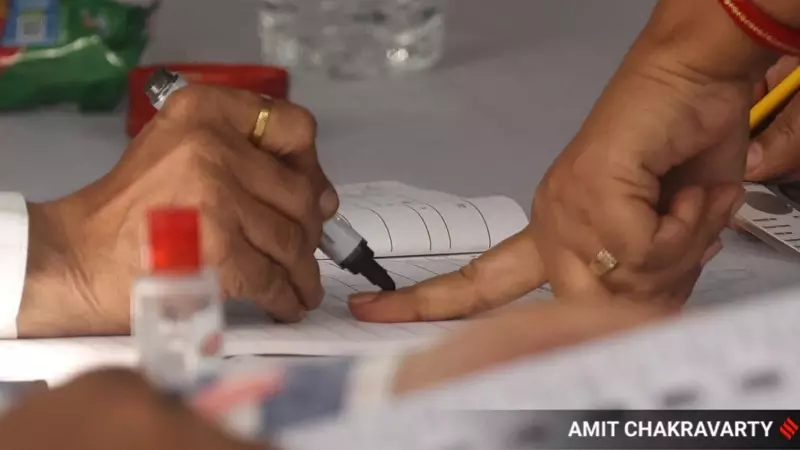
"I was not able to see and verify that the vote I had cast reflected in the ballot box," Aadi explained. "While the EVMs worked well, I am not perfectly confident without a VVPAT slip." He also pointed out that the ink used on voters' fingers was a simple permanent marker instead of standard indelible ink. "These are structural issues," he emphasized. "This is the least one can expect as a voter in a functional democracy."
Ethical and Logistical Challenges
Amey Ajgar, a 19-year-old student from MIT-WPU, shared similar concerns about the lack of VVPAT. He noted the presence of an indicator light on the EVM but remained worried. Ajgar was more disturbed by the unethical behavior of party representatives outside the polling booths.
"When I reached, they practically told me to vote for a particular person," Ajgar said, expressing shock at the blatant disrespect for the Moral Code of Conduct. Persistent campaigning right outside the centers caused unrest among voters. Other logistical problems, such as inadequate parking and poor civic sense, added to the challenges.
Accessibility Issues for Senior Citizens
Accessibility emerged as another significant concern during the elections. At a polling booth on Sinhagad Road, 21-year-old Mayur Chavan observed that while the voting process was smooth for most, senior citizens faced difficulties. He was not permitted to assist his grandmother, and polling officials did not step in to help her either. This highlights gaps in support for elderly voters, who may require additional assistance.
The experiences of Pune's young voters in the municipal elections reveal a mix of empowerment and concern. While initiatives like women-run polling stations foster a sense of inclusion, issues like VVPAT absence and accessibility need addressing to strengthen trust in the electoral process.






