

Pune Election Officials Roll Out Token System for Smooth Final Hour Voting
Election authorities in Pune have introduced a novel token-based system to handle the anticipated heavy turnout during the final hour of polling. This initiative aims to manage crowds effectively and ensure that no eligible voter is denied their fundamental right to vote.
How the Reverse Token System Works
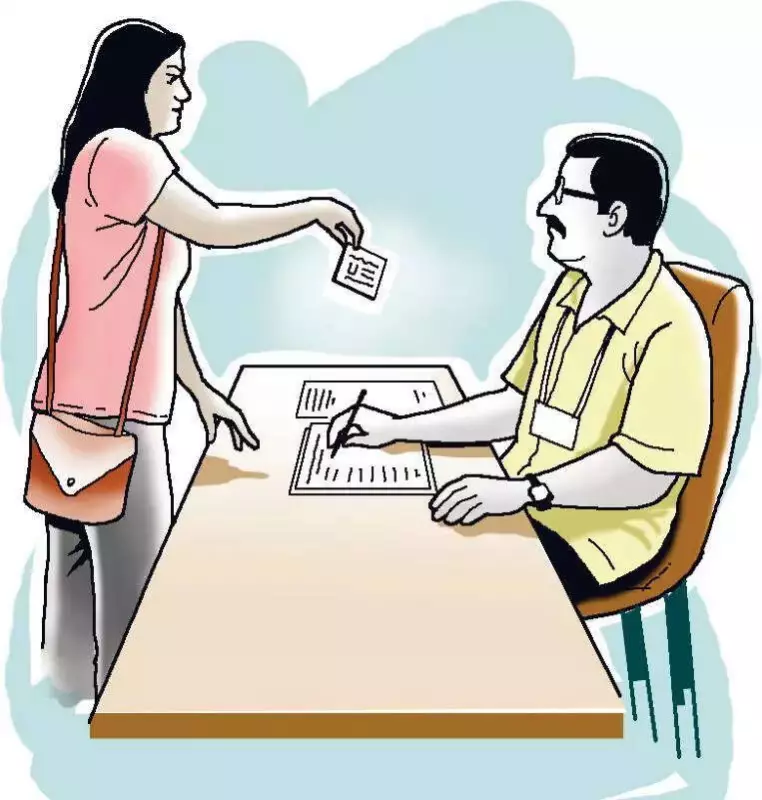
Under established election rules, voters who enter polling station premises before the official closing time of 5:30 PM are entitled to cast their vote, even if polling continues beyond that hour. To regulate the expected last-minute rush, polling officials will issue numbered tokens to all voters present within the premises at or before 5:30 PM.
The system operates in a reverse order. The last voter in the queue at 5:30 PM will receive Token Number 1. Immediately after this, entry to the polling station will be closed. Tokens will then be distributed in reverse sequence to voters ahead in the queue. This method clearly establishes the cut-off point and prevents any additional entry after the deadline.

Polling stations will maintain meticulous records of all tokens issued to ensure transparency and accountability.
Official Statements and Past Precedents
A senior election official explained the process. "Once the last voter present inside the polling premises at 5:30 PM is given Token No. 1, entry will stop. All token holders will be allowed to vote, even if polling extends beyond the scheduled closing time," the official stated.
Pune Municipal Corporation Commissioner Naval Kishore Ram assured voters that all individuals reaching polling stations by 5:30 PM will face no difficulties in voting. "We urge voters to come out and vote in the elections," he emphasized, noting that all necessary facilities are being provided at the polling stations.
Similar measures were successfully implemented during previous Lok Sabha and assembly elections. Long queues in the final hour at many polling stations had forced officials to extend polling times to accommodate voters already present. Election authorities had earlier stressed the need for transparency in token distribution during such extended polling hours.
Enhanced Measures for Smoother Polling
Officials expect crowd management to be more manageable this time due to a reduced voter load per polling station. While earlier elections often had more than 1,000 voters per booth, polling stations in the current municipal elections will now cater to approximately 800 to 900 voters each.
Polling staff have received specific instructions to guide voters in advance, particularly due to the multi-member ward system. Voters are required to select four candidates on the Electronic Voting Machine (EVM). Officials will brief them to press the button four times and wait for the confirmation beep before leaving the booth.
With these streamlined measures, the average voting time per voter is expected to be around 35 to 40 seconds, ensuring a faster and more efficient process.
Election Scale and Statistics
The elections cover a significant scale across Pune's municipal areas:
- Pune Municipal Corporation (PMC): Elections are being held for 165 seats. A total of 35.51 lakh voters are registered across 4,011 polling stations, with 1,155 candidates in the fray.
- Pimpri-Chinchwad Municipal Corporation (PCMC): 128 seats are being contested by 692 candidates. Approximately 17.27 lakh voters will cast their ballots across 2,034 polling stations.
The token system, combined with reduced voter loads and advance guidance, represents a comprehensive effort to ensure a smooth polling process. It safeguards the voting rights of all eligible citizens while maintaining order and efficiency at the polling stations.






