

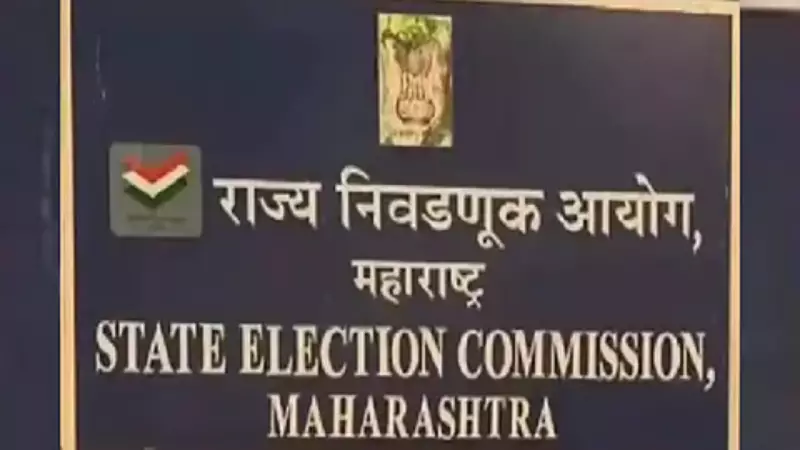
The State Election Commission (SEC) has taken a preliminary view that the actions of the Colaba returning officer, Krishna Jadhav, were legally sound when he did not allow candidates from the Aam Aadmi Party (AAP) and the Janata Dal to file their nominations on December 30, 2025. However, the commission has decided to seek an additional report from the observer before making a final determination, according to sources familiar with the matter.
Allegations of Political Interference
The controversy stems from an incident on the last day for filing nominations for the BMC elections. The two political parties had lodged a formal complaint alleging that their candidates were not permitted to submit their papers despite being present at the RO's office before the 5 PM deadline. They had even received tokens. The parties further alleged that the returning officer acted under the influence of state assembly Speaker Rahul Narwekar, who belongs to the BJP. They pointed out that Narwekar was present at the RO's office at the time, and three of his relatives are contesting in the same civic polls.
The Rulebook vs. Established Practice
Returning Officer Krishna Jadhav defended his decision by citing a strict interpretation of the rules. He contended that the election manual requires candidates to be inside the officer's cabin, not merely on the office premises, by the cutoff time. Jadhav stated that he made several announcements to this effect throughout the day.

Following the complaint by AAP, BMC Commissioner Bhushan Gagrani submitted a report to the SEC. While Gagrani's report acknowledged that Jadhav's actions were within the legal framework, it highlighted a significant administrative oversight. The report pointed out that since the candidates were given tokens and were present on the office premises, Jadhav should have been more administratively careful and prudent.
Root of the Confusion
Officials explained that the provision of tokens, while not explicitly mentioned in the election rules for nomination filing, has become an established practice. It is commonly used on voting day at polling booths, where voters in line near the deadline are given tokens to ensure they can cast their ballots. This parallel practice likely created confusion for the candidates, who assumed that receiving a token guaranteed their right to file nominations before 5 PM.
The SEC's move to seek a further report from the observer indicates that while the legal footing is clear, the administrative and procedural aspects of the case require deeper scrutiny before a conclusive finding is reached.






