The recently announced elections for the Ulhasnagar Municipal Corporation have laid bare significant internal fractures within the Shiv Sena-led alliance. This discord threatens to undermine the coalition's unity and is strategically positioning the Bharatiya Janata Party (BJP) to capitalize on the situation.
Alliance Partners Clash in Key Wards
Contrary to a pre-decided seat-sharing agreement, candidates from two of Shiv Sena's allies are now fighting each other in crucial wards. This has resulted in direct contests that are confusing party workers and voters, with a high risk of splitting the pro-alliance vote bank.
Political analysts point out that this internal friction is a direct boon for the BJP, which is contesting aggressively on all 78 seats in Ulhasnagar against the Shiv Sena coalition.

Triangular Fight in Panel No. 9-B
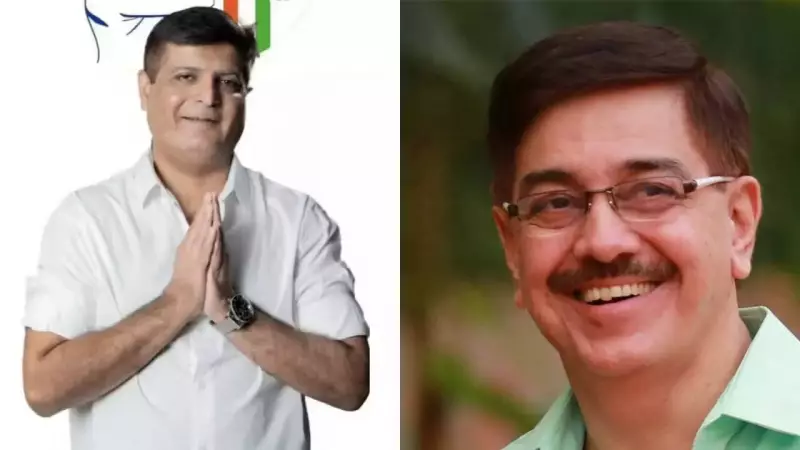
The conflict is most evident in Panel No. 9-B, where a three-cornered contest has emerged. The panel was initially allotted with two seats for Team Omie Kalani (TOK) and one for the Secular Alliance of India (SAI) Party. However, TOK's decision to field Kavita Lassi—wife of Manoj Lassi, a close associate of TOK chief Omie Kalani—against the SAI Party's candidate disrupted the plan.
The SAI Party has nominated former mayor Asha Idnani, who is also the wife of party chief Jeevan Idnani. The BJP, seizing the opportunity, has put forward Deepa Narayan Punjabi, whose husband Narayan is a former corporator from the same ward.
Confusion Repeats in Panel 5-D
A similar scenario is playing out in Panel 5-D. Here, SAI Party candidate Sunil Gangwani finds himself pitted against Shiv Sena's official nominee, Vicky Bhullar. This puts two alliance candidates in the same ward, with the BJP's candidate standing to benefit from the divided opposition.
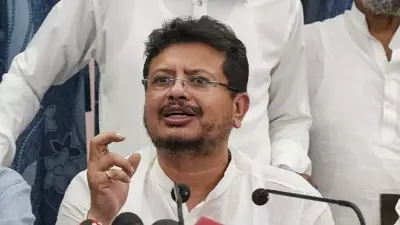
SAI party chief Jeevan Idnani has openly accused TOK of betrayal, stating that despite senior leaders' understanding, TOK fielded its candidate against the agreed-upon SAI nominee. Idnani has vowed to fight strongly for victory. In contrast, a Shiv Sena leader, Arun Aasan, has downplayed the conflict, calling it a "friendly fight" and asserting that both candidates are aligned with their cause.
Strategic Implications and Potential Fallout
Sources indicate that the Shiv Sena is acutely aware it needs both the Kalani group and the SAI Party, which holds sway in Sindhi-dominated areas, to secure power in the corporation. Senior leaders are reportedly monitoring the situation and may intervene soon to find a resolution.
In the broader electoral landscape of Ulhasnagar, the BJP, Congress, and NCP are contesting separately, while the Shiv Sena is fighting in alliance with SAI and TOK. However, until the alliance partners resolve their differences, the immediate and clear beneficiary in the affected wards appears to be the BJP. The disunity is actively reshaping the electoral dynamics of Ulhasnagar, potentially altering the final outcome of the civic polls.