

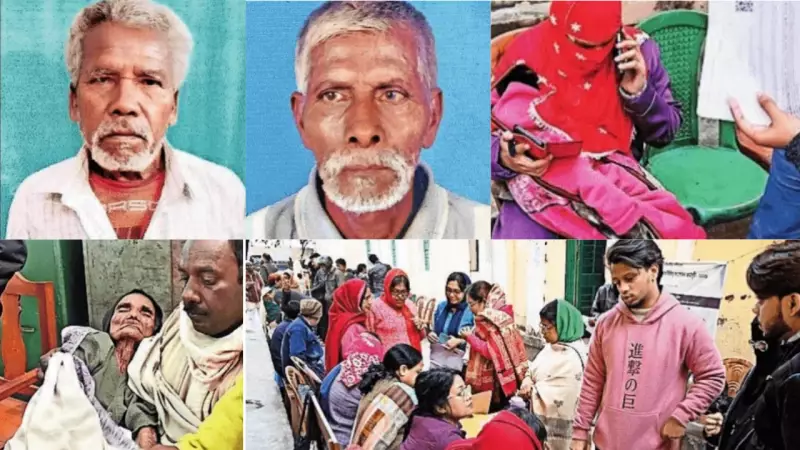
The Special Intensive Revision (SIR) of electoral rolls in West Bengal has taken a grim turn, with reports of panic, harassment, and tragic deaths among elderly voters summoned for hearings. The process, intended to update voter lists, has instilled fear in many, particularly those from older generations, leading to at least three fatalities linked to the stress of the proceedings.
Tragic Consequences of SIR Hearing Notices
On a somber Monday in Purulia, an 82-year-old man, Durjan Majhi, ended his life by jumping before a train. This desperate act occurred roughly five hours before he was scheduled to appear for an SIR hearing at the Para Block Development Office (BDO). His son, Kanai, a day labourer, revealed that his father had been anxious since receiving the hearing notice on December 25. The family was confused as to why he was called, as his name was present on the 2002 electoral roll, though missing from the recent draft list.
The same day saw two more deaths connected to the SIR process. In Howrah's Amta area, 75-year-old Jamat Ali passed away at home on Sunday night, just hours after receiving a hearing notice. The district magistrate acknowledged the family's claim that anxiety over the hearing was a factor, while noting the deceased was already unwell. Separately, in Kalyani, 72-year-old Jaharlal Mahato suffered a fatal cardiac attack on Monday, forty-eight hours after attending an SIR hearing. His son stated that Mahato had been deeply distressed following the hearing, despite his name being on the 2002 list.

Elderly and Infirm Face Harassment in Long Queues
Across the state, scenes of elderly and vulnerable citizens waiting for hours outside BDO offices have become common. In Cooch Behar's Dinhata Block 1 office, 96-year-old Nikhil Chandra Sarkar, accompanied by his wife and son, struggled to walk due to age and ailments. He expressed frustration at being the only family member summoned, despite not being on the 2002 list.
At the Katwa I BDO office, 90-year-old bedridden Muktibala Paramanik was brought in a queue, a situation her grandson labelled as sheer harassment. Responding to the outcry, the Election Commission issued an order on Monday reiterating that booth-level officials should visit the homes of voters aged 85 and above, as well as those with disabilities, if requested. However, East Burdwan District Magistrate Ayesha Rani pointed out a procedural gap, stating they had received no written instructions about conducting home visits for the elderly, though she had issued verbal orders to avoid calling the infirm.
Pregnant Women, Young Mothers Also Affected
The hardship was not limited to the elderly. In Taki, a woman eight months pregnant, Supriya Mondal, fell ill and collapsed after waiting in a long queue at the Basirhat Block II BDO office. Her mother reported that the dizziness struck after a prolonged wait in the crowd. The young woman had been called because her name was absent from the 2002 reference list.
In central Kolkata, a young mother arrived for a hearing with her three-month-old infant. Her husband, Md Hussain, explained the summons resulted from a clerical error where his wife had mistakenly entered details from a 2025 voter ID card instead of the 2002 roll during the enumeration process.
The unfolding situation highlights a significant disconnect between the administrative process of the Special Intensive Revision and the ground reality faced by citizens, particularly the most vulnerable. As the hearings continue, calls for a more humane and accessible approach are growing louder to prevent further distress.






