

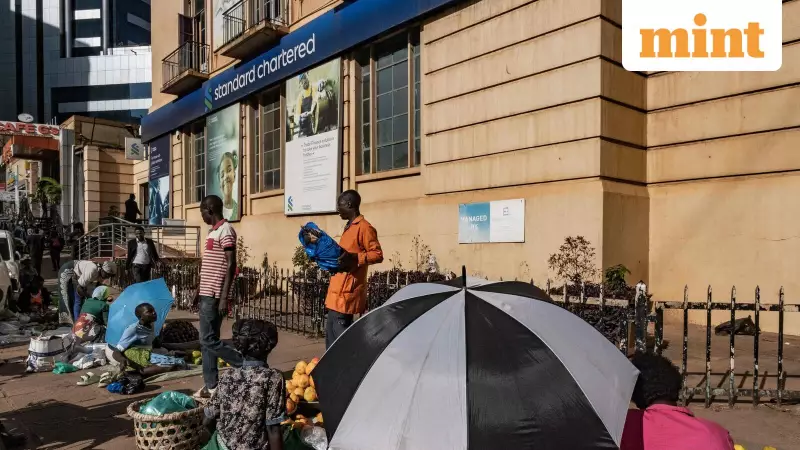
Uganda Votes Under Internet Blackout and Heavy Security Presence
Uganda held its breath on Thursday as polling stations opened across the nation. The atmosphere remained tense with an ongoing internet shutdown and a visible police crackdown targeting opposition groups. President Yoweri Museveni, aged 81, stood poised to extend his rule beyond four decades.
Citizens Prepare for Potential Unrest
The local Daily Monitor newspaper captured the prevailing anxiety. It published a full-page guide titled "election-proof your home." This guide advised citizens to reinforce their doors and windows. It also recommended designating a safe room inside the house in case of violence or civil disturbance.
This sense of precaution feels familiar for many Ugandans. Museveni, a former bush fighter, has led the country for forty years. His tenure is steeped in revolutionary ideology and marked by numerous accusations. Critics allege rampant abuses by security forces against political opponents.

Opposition Faces Intense Pressure
The president faces a significant challenge from Bobi Wine. The 43-year-old singer turned politician calls himself the "ghetto president." His political base lies in a Kampala slum where he grew up.
Polling stations opened slowly, which is typical for Ugandan elections. However, voting commenced shortly after 7 AM local time in at least one Kampala suburb. AFP journalists confirmed this development.
Security forces maintained a heavy presence. Another AFP team reported intense police and army patrols in the border town of Jinja. Hundreds of Bobi Wine's supporters faced arrest in the days leading to the vote, mirroring the 2021 campaign.
Wine now wears a flak jacket during his rallies. He describes the current election as a "war." He labels President Museveni a "military dictator."
"We are very aware that they are planning to rig the election, to brutalise people, to kill people, and they don't want the rest of the world to see," Wine told AFP.
Government Imposes Internet Shutdown
The government initiated an indefinite internet blackout on Tuesday. This action came despite repeated promises to keep connectivity online. Officials stated the shutdown aimed to prevent the spread of "misinformation" and "incitement to violence."
The United Nations expressed deep concern over this move. Bobi Wine has vowed to organize protests if evidence of vote rigging emerges.
Other Opposition Figures Face Hardships
Another major opposition leader, Kizza Besigye, remains entangled in legal troubles. Besigye ran against Museveni four times previously. In 2024, authorities abducted him in Kenya. They brought him back to Uganda to face a military court on treason charges. His trial continues.
His wife, UNAIDS director Winnie Byanyima, offered a stark assessment. She said Uganda possesses only a "thin veneer" of democracy. She accused the president of achieving "total capture of state institutions."
Museveni's Longstanding Rule and Support
Western nations have often granted Museveni considerable leeway. He implemented neoliberal reforms in the 1980s as demanded. Later, he became a useful partner in the US-led "war on terror" during the 2000s. Uganda contributed troops to missions in Somalia.
Many Ugandans still credit him for ending post-independence chaos. They note the rapid economic growth under his watch. However, massive corruption scandals have plagued his administration, diverting national resources.
"Forty years doesn't even matter, we need even more," said supporter Banura Oliver, 41. She spoke while heading to Museveni's final rally in Kampala.
The president delivered a forceful message at that rally. "Go and vote. Anybody who wants to interfere with your freedom, I will crush them," he declared.
Heightened Security and Media Restrictions
Residents in Kampala felt nervous as election day arrived. Security forces significantly increased their visible presence across the city.
"We will not talk about elections. You can ask anything but not that," stated a thirty-something accountant who wished to remain anonymous.
The police issued a warning, stating the vote was "not a justification for criminal acts." They deployed newly hired "special constables" to maintain public order.

Journalists faced harassment and were blocked from attending Museveni's rally. Reporters Without Borders highlighted a specific incident. They said local journalist Ssematimba Bwegiire lost consciousness after being electrocuted and pepper-sprayed by a security officer at a Bobi Wine rally.
Human Rights Watch condemned the government's suspension of ten non-governmental organizations. This list included several election-monitoring groups. The organization stated the opposition had faced "brutal repression" throughout the campaign period.





