A recent drive by the Election Commission of India to clean up voter rolls in West Bengal has ignited significant anxiety and fear among Dalit communities, particularly refugees. The exercise, which involves removing allegedly duplicate or ineligible names, is being viewed by many as a potential tool for disenfranchisement ahead of crucial electoral cycles.
The Core of the Controversy
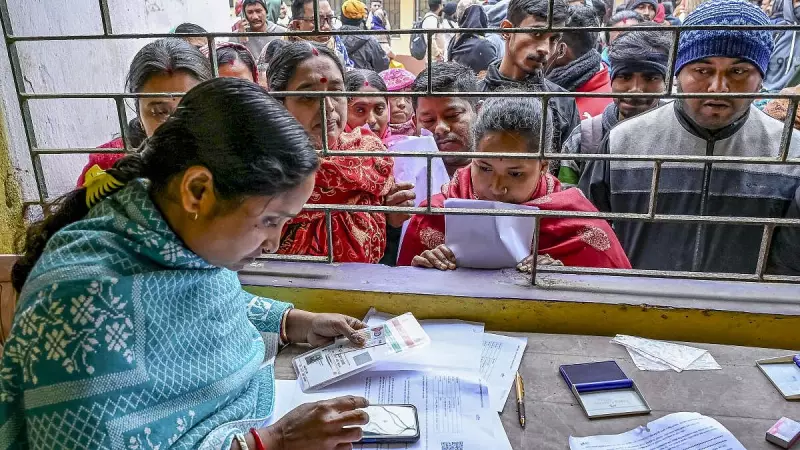
According to reports, the electoral body's revision process in the state has targeted a substantial number of names for deletion. While the official stance maintains this is a routine administrative procedure to ensure list accuracy, activists and community leaders argue it disproportionately impacts marginalized Dalit populations. Many Dalit families, especially those who crossed borders as refugees in previous decades, often face documentation challenges. Subhajit Naskar, in his analysis dated 06 January 2026, highlighted that these communities now find themselves on edge, worried that the purge could strip them of their fundamental right to vote.
Historical Context and Renewed Fears
The fear is not new but has been renewed with the latest electoral roll update. West Bengal has a complex history of partition and migration, leading to settled refugee colonies. For decades, the political inclusion of these communities has been a sensitive issue. The current verification process, which may require stringent proof of citizenship and residence, places a heavy burden on those with informal or legacy paperwork. Critics allege that the criteria for deletion are being applied in a manner that could alter electoral demographics in key constituencies.
Potential Consequences and Political Fallout
The potential disenfranchisement of Dalit voters carries serious implications. Firstly, it undermines the democratic principle of universal adult suffrage for a group already battling social and economic exclusion. Secondly, it could lead to significant political repercussions, influencing the outcomes in tightly contested seats. The situation demands transparency and extreme caution from the authorities to ensure that a technical cleanup does not become a means of social exclusion. Community trust in the electoral process is at stake, and a fair, inclusive approach is crucial to uphold the integrity of India's democracy.
As the debate continues, all eyes are on how the Election Commission addresses these legitimate concerns. Ensuring that every eligible citizen, especially from vulnerable sections, retains their vote is paramount for a free and fair election in West Bengal.