

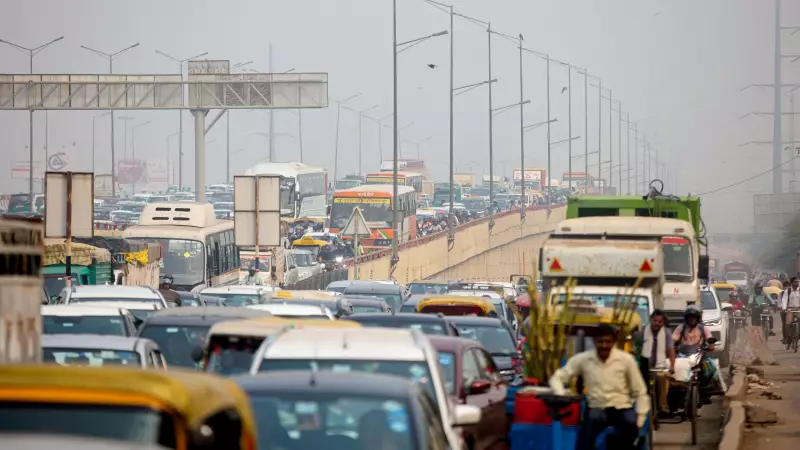
Only 10% of Delhi's 66 Lakh Old Vehicles Still on Roads: CAQM Report
A recent report from the Commission for Air Quality Management delivers surprising news about Delhi's vehicular pollution. The study indicates that only about ten percent of the city's sixty-six lakh end-of-life vehicles are currently operating on its roads.
Official Data Reveals Sharp Decline in Old Vehicles
The latest figures show a detailed breakdown of these aging vehicles. Authorities have identified over forty-one lakh outdated two-wheelers. These include models from the pre-Bharat Stage era, BS-I, and BS-II categories. Furthermore, the data lists more than twenty-five lakh cars and other vehicles that meet only the BS-III emission standard.
Bharat Stage norms represent the government's official emission standards. These regulations aim to control the pollution output from all motor vehicles across the country.

What Defines an End-of-Life Vehicle?
An official provided a clear explanation of the term. End-of-life vehicles, or ELVs, are older petrol and diesel models that have exceeded their legal lifespan. Petrol vehicles reach this status after fifteen years. Diesel vehicles are considered end-of-life after just ten years on the road.
The Delhi government implemented a ban on all such vehicles. This action followed specific directives from both the National Green Tribunal and the Supreme Court of India.
Where Did All the Old Vehicles Go?
Last year, government estimates suggested a massive fleet of over sixty-six lakh old vehicles was still active in the capital. A senior official now offers insight into the dramatic reduction.
"If we look at the actual situation on the ground, we do not see even one-fourth of these ELVs in the city today," the official stated. "Residents have primarily taken two paths. They either sold their old vehicles in other states or chose to scrap them entirely."
The official also suggested that poorly maintained registration data might have contributed to the earlier, inflated figures.
Government Meetings Focus on Pollution Control
On Monday, a high-level meeting took place to address Delhi's air quality. Union Environment Minister Bhupender Yadav chaired the session. Officials from the CAQM attended to discuss concrete steps for reducing pollution in the capital.
This meeting occurred in the context of a recent Supreme Court order from December seventeenth. The order has prompted the Delhi Transport Department and other enforcement agencies to take stronger measures against remaining end-of-life vehicles. Reducing vehicular pollution remains a critical goal for improving the city's air.
Key Recommendations and Policy Shifts
The Supreme Court recently modified an earlier ruling. The new clarification allows authorities to take action against vehicle models below the BS-IV standard. This paves the way for more effective enforcement.
The CAQM put forward several significant recommendations during the meeting:
- Introducing financial incentives to encourage people to scrap their old vehicles.
- Installing Automatic Number Plate Recognition cameras at all 126 border entry points within three months. This system would prevent end-of-life vehicles from entering Delhi.
- Promoting electric two-wheelers through the upcoming Electric Vehicle Policy 2.0, expected next fiscal year.
Broader Plan for Cleaner Air and Smoother Traffic
The discussion also covered a wider strategy for urban management. The plan includes an ambitious expansion of electric vehicle infrastructure. The goal is to increase charging and battery swapping stations from 9,000 to 36,000 within two years.
Officials emphasized the need for timely action at sixty-two identified congestion hotspots across the city. The meeting concluded with a focus on deploying sufficient traffic personnel to ensure smoother traffic flow on Delhi's busy roads.






