

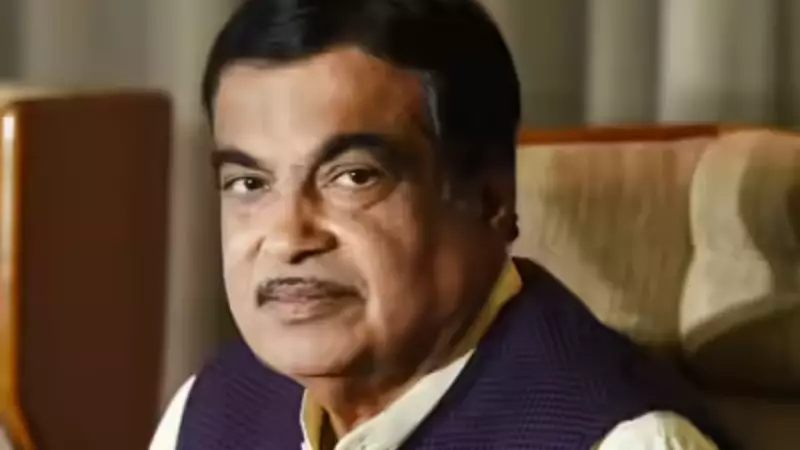
A recent high-level government meeting has identified 100 districts across India that are hotspots for road accident fatalities, accounting for a staggering number of deaths over the past two years. The list, which includes districts like Nasik-Rural, Pune-Rural, Patna, Ahmednagar, and Bulandshahr, was presented at a crucial state transport ministers' conclave in Delhi.
Districts in the Spotlight: The Alarming Data
The meeting, chaired by Union Road Transport Minister Nitin Gadkari and attended by 27 state ministers, reviewed data from 2023 and 2024. The analysis revealed that these 100 districts, spread across 15 states including Maharashtra, Uttar Pradesh, Tamil Nadu, Rajasthan, and Telangana, witnessed over 89,000 road deaths in the two-year period.
Further breaking down the grim statistics, the study found that a majority of these fatalities, 53%, occurred between 3 pm and midnight. The data also highlighted that 72% of the deaths resulted from three specific types of collisions: rear-end, head-on, and crashes involving pedestrians.

Hyperlocal Interventions: The Path to Zero Fatalities
In response to this critical situation, the Ministry of Road Transport and Highways has rolled out a targeted strategy named 'Data Driven Hyperlocal Intervention (DDHI)'. This programme aims to implement precise, evidence-based measures in these identified districts to drastically reduce crashes and deaths. The goal is ambitious: moving towards zero road fatalities.
Minister Gadkari pointed to successful case studies to demonstrate that focused action works. "Interventions in Nagpur district brought down fatalities by 22% last year compared to 2024, by 5% in Unnao in Uttar Pradesh and by 4% in Kamrup in Assam. These show that we can reduce road deaths by taking right measures," he stated during the meeting.
Decentralizing Solutions for Maximum Impact
Emphasizing the need for localized solutions, Road Transport Secretary V Umashankar, while launching the DDHI framework, argued that blanket policy decisions from Delhi are insufficient. "Interventions have to be made at the district level. Expensive solutions are always not the best solutions," he remarked. The focus, therefore, is on a better analysis of the exact causes of crashes in each locality to design the most effective and often simpler countermeasures.
The government's move signals a shift from a broad national approach to a micro-targeted strategy, pin-pointing the worst-affected areas for immediate action. The DDHI programme, initially covering over 30 of these high-risk districts, is now a central pillar of India's road safety mission, aiming to turn the tide on the country's alarming road death figures.






