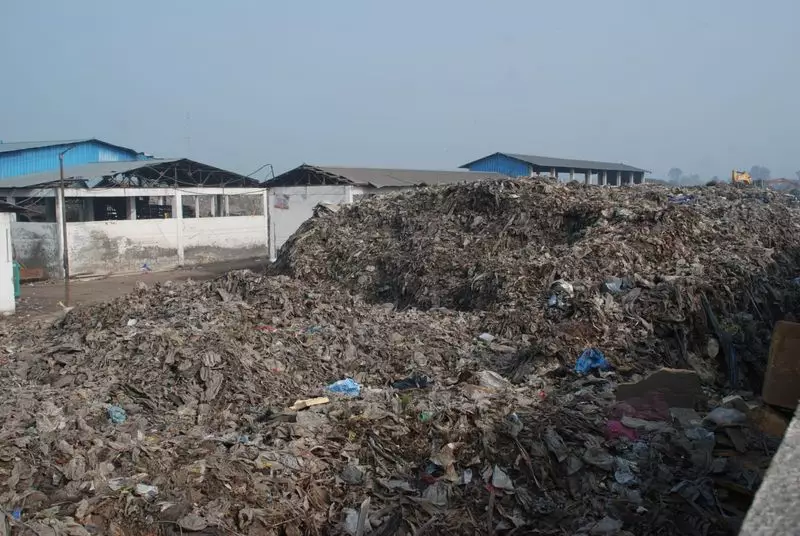
The city of Karnal in Haryana is facing a monumental waste management crisis, with a staggering 1.82 lakh tonnes of legacy waste currently lying untreated at its waste-to-energy plant site. This massive accumulation of old garbage poses a severe threat to the environment and public health, highlighting significant failures in the city's solid waste management system.
A Mountain of Unprocessed Waste
The issue came to light during a recent review meeting chaired by Karnal's Deputy Commissioner, Sh. Anish Yadav. Officials from the Municipal Corporation of Karnal (MCK) presented the alarming figures, confirming the plant's inability to process the historical backlog of waste. Legacy waste refers to the old municipal solid waste that has been dumped and accumulated over the years at a landfill or processing site without proper scientific treatment.
This untreated waste pile is not just an eyesore but a significant source of pollution. It generates toxic leachate that can contaminate groundwater and soil, while also releasing methane—a potent greenhouse gas—and foul odors into the air. The situation underscores a critical gap between waste generation and processing capacity in the district.

Operational Hurdles and Future Plans
During the meeting, the DC directed officials to prepare a detailed proposal outlining a strategy to clear this mammoth stockpile. The focus is on finding a sustainable and scientific method for the biomining and bioremediation of the legacy waste. These processes involve separating the old waste into different components like soil, recyclables, and inert material, which can then be reused or disposed of safely.
Furthermore, the DC emphasized the need for a permanent solution to prevent such a crisis from recurring. He instructed the MCK to ensure that all fresh municipal solid waste generated in the city is processed daily without any delay. This directive aims to stop the continuous addition to the legacy waste mountain and bring operational efficiency to the waste-to-energy facility.
Broader Implications for Urban Management
The crisis in Karnal is a stark reminder of the waste management challenges plaguing many Indian cities. The accumulation of 1.82 lakh tonnes of waste represents a systemic failure that requires immediate administrative action and technological intervention. Effective waste management is crucial for achieving Swachh Bharat (Clean India) goals and ensuring sustainable urban living.
The Karnal administration's move to address the issue head-on is a step in the right direction. The success of the proposed biomining project and the strict enforcement of daily waste processing will be key metrics to watch. The resolution of this crisis is vital not only for Karnal's environmental health but also as a potential case study for other cities grappling with similar legacy waste problems across Haryana and India.