

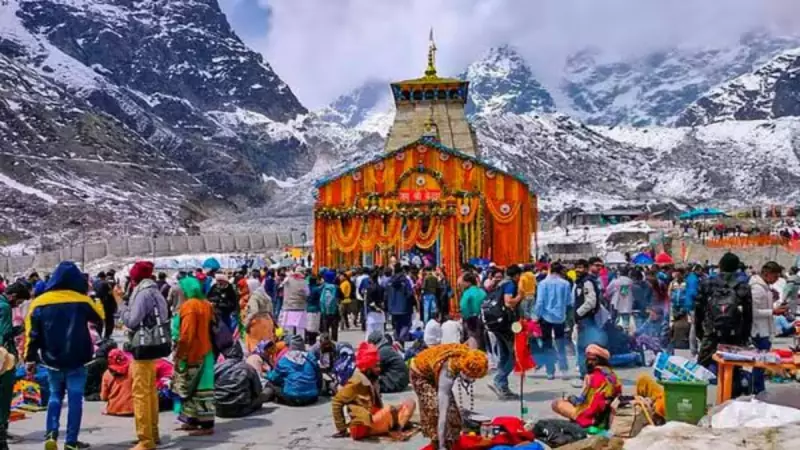
In a significant move to bolster infrastructure and pilgrimage safety in Uttarakhand, the state government has proposed the construction of a major twin-tube tunnel. This ambitious project aims to create a direct link between Chaumasi and Sonprayag, serving as a crucial access route for the revered Kedarnath shrine.
A Strategic Infrastructure Push Post-Ropeway
The proposal for this large-scale tunnel comes on the heels of the recently approved Kedarnath ropeway project. It represents the second phase of a comprehensive plan to modernize connectivity and manage the immense pilgrim footfall in the region. The government's focus is squarely on enhancing safety, reducing travel time, and potentially enabling year-round access to the holy site, which is currently seasonal due to harsh weather.
The tunnel is envisioned as a 7-kilometer long, twin-tube structure. This design is critical for managing bidirectional traffic flow efficiently and safely. The proposed alignment will connect Chaumasi, a location near Kedarnath, directly to Sonprayag, which is a major base camp and the last motorable point on the traditional pilgrimage route.

Project Details and Timeline
Authorities have set an ambitious target for this mega project. The goal is to commence work within the current year and strive for completion by the year 2026. This timeline underscores the project's priority for the state administration.
The tunnel is expected to address multiple longstanding challenges:
- Safety: Providing a protected passage away from vulnerable mountain roads prone to landslides and extreme weather.
- Convenience: Drastically cutting down travel time for pilgrims between Sonprayag and the shrine area.
- Capacity: Helping decongest the existing routes and managing the ever-increasing number of visitors.
- Reliability: Offering a more consistent and less weather-dependent mode of access.
Broader Impact on Pilgrimage and Region
This infrastructure development is more than just a transportation link; it is a transformative initiative for the Char Dham pilgrimage circuit. The Kedarnath shrine, one of the twelve Jyotirlingas, attracts lakhs of devotees annually. The existing journey involves a strenuous trek from Sonprayag. The new tunnel, coupled with the ropeway, could revolutionize this experience, making it more accessible to a wider demographic, including the elderly and those with physical constraints.
The project also holds substantial economic implications for the local communities in Sonprayag and surrounding areas. Improved and faster connectivity is likely to boost local hospitality, trade, and service sectors. However, it also brings into focus the need for sustainable tourism practices and environmental safeguards during construction and operation in the fragile Himalayan ecology.
With the proposed completion date set for 2026, all eyes are now on the swift approval of detailed project reports and the tender process. The successful execution of this twin-tube tunnel will mark a new chapter in pilgrimage travel in Uttarakhand, aligning spiritual journey with modern engineering for enhanced safety and comfort.






