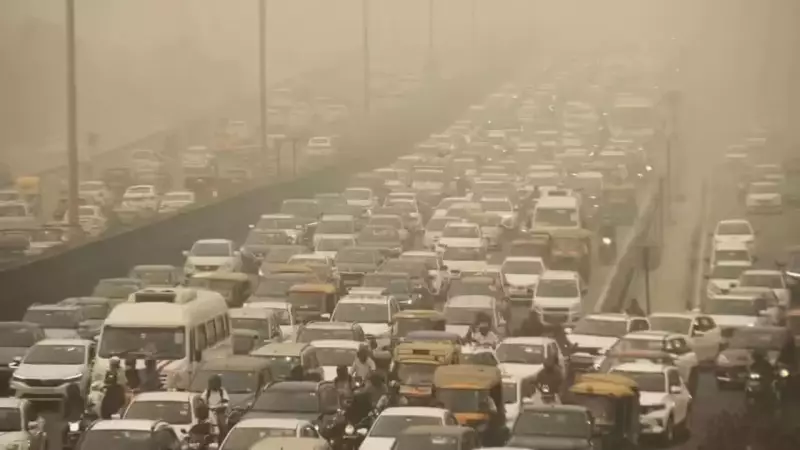
New data from the road transport ministry paints a concerning picture of vehicle compliance across India. More than 70% of the country's 40.7 crore registered vehicles fail to meet essential norms. These include requirements for pollution under control certificates, fitness certificates, and valid insurance policies.
Two-Wheelers Lead the Non-Compliant Pack
The ministry shared this information with states and union territories during a meeting last week. The figures show a staggering number of vehicles operating outside the legal framework. Out of the total non-compliant vehicles, approximately 23.5 crore are two-wheelers. This means over two-thirds of all rule-breaking vehicles on our roads are motorcycles and scooters.
Government Proposes Strict Framework
Alarmed by these statistics, the ministry has flagged the issue to all states. It has proposed a new framework to tackle the problem head-on. The plan aims to ensure vehicle owners adhere to statutory compliances within a specified period. If they fail to do so, their vehicles will face automatic de-registration through a gradual process.

Officials explained the current situation clearly. A large portion of vehicles listed in the national Vahan database are not legally or operationally fit to ply on roads. This inflates the overall vehicle count artificially. The government now wants to clean this database thoroughly. States have been urged to provide feedback and prepare plans for sanitising their own records.
Breaking Down the Vehicle Categories
As per the detailed breakdown, only about 8.2 crore vehicles are currently active and fully compliant with all regulations. In contrast, over 30 crore vehicles have some compliance gaps. Another 2.2 crore vehicles have already been archived from the system.
The ministry has classified all vehicles into four distinct categories:
- Active-Compliant: Vehicles with all valid documents and certificates.
- Active Non-Compliant: Vehicles with some invalid or expired documents.
- Temporary Archived: Vehicles with prolonged or repeated non-compliance issues.
- Permanent Archived: Vehicles that are scrapped, have cancelled registration, are deregistered, or have been surrendered by owners.
State-Wise Compliance Patterns Emerge
The data reveals interesting patterns across different states. Among larger states, Tamil Nadu, Karnataka, Madhya Pradesh, Andhra Pradesh, and Bihar show particularly worrying trends. All these states have over 40% of their registered vehicles in the active but non-compliant category. Telangana stands out as the only state where this share remains below 20%.
When it comes to temporarily archived vehicles, Rajasthan, Odisha, Bihar, Madhya Pradesh, and Karnataka take the lead. Each of these states has more than 40% of vehicles in this category.
How the New Framework Will Work
The proposed framework outlines clear steps for vehicle owners. Those with active but non-compliant vehicles will get one year to renew their fitness certificates, PUC certificates, and insurance policies. If they fail to meet this deadline, their vehicles will move to the temporary archive category.
The rules get stricter from there. Failure to renew fitness, insurance, and PUC certificates within two years will push vehicles into the permanent archive segment. This means they will be considered officially off the roads.
Automated System Ensures Consistency
Officials clarified that this reclassification will happen automatically. The system will track compliance check renewals and update vehicle status accordingly. Once a vehicle enters the permanent archive category, that decision becomes final by default.
However, the framework does allow for recovery in exceptional circumstances. These include cases of data errors, specific court orders, or issues related to migration legacy data. Any such recovery will require mandatory approval from the transport commissioner. All recovery actions will be digitally logged, made auditable, and properly reported to maintain complete transparency in the process.

The road transport ministry's initiative aims to bring much-needed order to India's vehicle registration system. By identifying non-compliant vehicles and creating a clear path for compliance, the government hopes to make our roads safer and cleaner for everyone.