

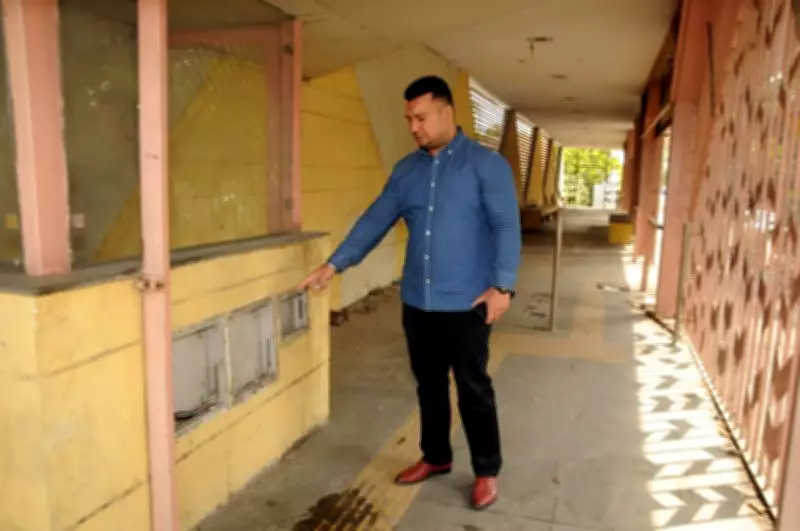
Security Concerns Lead to Dismantling of BRTS Installations in Amritsar
In a significant development in Amritsar, security concerns have prompted the dismantling of installations associated with the Bus Rapid Transit System (BRTS). This move has sparked a wave of reactions from activists and residents, who are now seeking clarity and transparency from the authorities involved.
Background and Decision-Making Process
The BRTS, designed to enhance urban mobility and reduce traffic congestion, has been a part of Amritsar's infrastructure for some time. However, recent assessments by security agencies highlighted potential vulnerabilities in the system's installations. These concerns, which have not been fully disclosed to the public, led to a decision by local authorities to dismantle key components of the BRTS infrastructure.
Officials cited the need to prioritize public safety and address security risks as the primary reasons for this action. The dismantling process has involved removing bus shelters, signage, and other structural elements that were integral to the BRTS operations.

Activist Response and Demands for Transparency
Following the dismantling, activists and community groups have raised questions about the lack of detailed information regarding the security concerns. They argue that while safety is paramount, the decision-making process should be more transparent to ensure public trust and accountability.
Key demands from activists include:
- Detailed Reports: Release of comprehensive reports outlining the specific security threats identified.
- Public Consultations: Opportunities for public input and discussion before such significant changes are implemented.
- Alternative Plans: Clarity on future urban transport strategies to replace the BRTS and mitigate any disruptions to commuters.
Activists emphasize that urban development projects like the BRTS require careful planning and stakeholder engagement to balance security needs with public convenience.
Impact on Urban Transport and Commuters
The dismantling of the BRTS installations is expected to have immediate effects on Amritsar's urban transport network. Commuters who relied on the BRTS for efficient travel may face increased congestion and longer travel times as alternative arrangements are put in place.
Local authorities have indicated that they are working on interim solutions to address transport gaps, but details remain scarce. This has added to the frustration among residents, who are calling for swift and effective measures to ensure minimal disruption.
Broader Implications for Urban Infrastructure
This incident highlights broader challenges in managing urban infrastructure in India, where security concerns must be balanced with developmental goals. It raises questions about how cities can proactively assess and address security risks without compromising on public services and mobility.
Experts suggest that similar situations in other cities could benefit from lessons learned in Amritsar, advocating for integrated approaches that involve security assessments early in the planning stages of infrastructure projects.
Looking Ahead: Calls for Action and Clarity
As the situation unfolds, the focus remains on the authorities' response to activist demands. There is a growing call for:
- Enhanced Communication: Regular updates and clear communication from officials to keep the public informed.
- Collaborative Solutions: Involving activists and community representatives in finding sustainable transport alternatives.
- Long-Term Planning: Developing robust urban transport policies that incorporate security considerations from the outset.
The dismantling of the BRTS installations in Amritsar serves as a reminder of the complex interplay between security, urban development, and public engagement in modern cities.






