

Andhra Pradesh's Massive Waste Management Initiative Set for June Launch
The Swachandhra Corporation is gearing up to revolutionize waste management across Andhra Pradesh with an ambitious plan to establish 107 fresh waste processing units (FWPUs) in every urban local body (ULB) throughout the state. This comprehensive project, scheduled to become operational from the first week of June, represents the largest such initiative in India, with a substantial investment of Rs 528 crore.
Eliminating Garbage Dumps with Daily Processing
According to Swachandhra Corporation chairman Kommareddy Pattabhiram, these new FWPUs will provide a permanent solution to the persistent garbage problem plaguing urban areas. "The FWPUs will ensure proper disposal of solid waste through systematic segregation, reuse, and recycling processes," Pattabhiram explained. He emphasized that this approach will effectively eliminate traditional garbage dumps in cities, as waste will be processed daily rather than accumulating in disposal yards.
Comprehensive Waste Collection and Processing System
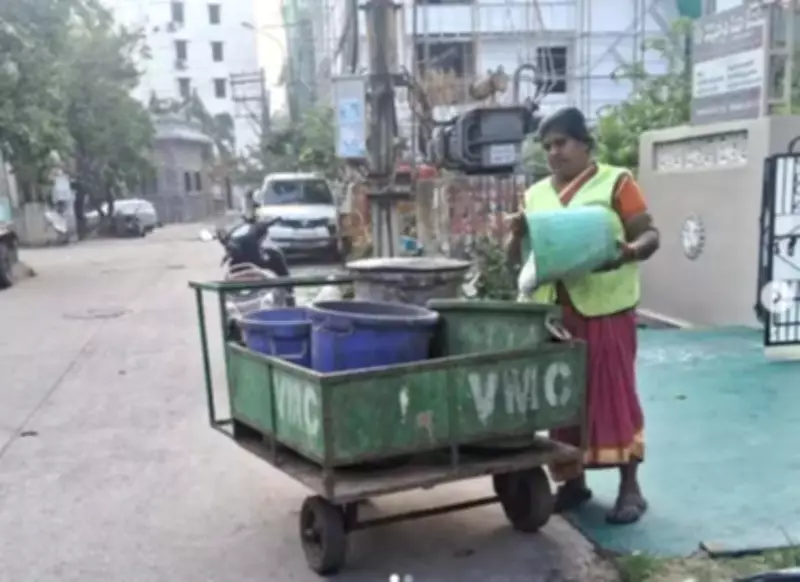
The corporation is currently procuring specialized equipment that will be deployed across all ULBs and connected panchayats to address existing gaps in garbage collection infrastructure. The waste management process will follow a meticulous chain:

- Door-to-door collection with segregation at source
- Transportation of segregated waste to FWPUs for processing
- Dry waste directed to recycling units and waste-to-energy plants
- Wet waste converted into farm manure for organic and natural farming
Revenue Generation and Real-Time Monitoring
Pattabhiram highlighted that urban local bodies will generate substantial revenues from this waste management system. "The processed dry waste will be sold to units that use it as raw material, creating a sustainable revenue stream," he stated. Additionally, the entire waste generation, collection, and processing cycle will be monitored in real time through advanced tracking systems.
Expansion to Energy Production and Rural Areas
The corporation has identified specific locations for establishing waste-to-energy plants, including Kakinada, Tirupati, Kurnool, Nellore, and Kadapa. These facilities will convert non-recyclable waste into usable energy, further enhancing the project's sustainability.
Addressing challenges in rural waste management, Pattabhiram acknowledged existing issues with garbage collection in these areas. "Once the urban local bodies are streamlined, we will ensure strict enforcement of Swachh Bharat Mission rules across rural regions," he affirmed.
Additional Sanitation Infrastructure
Beyond the 107 FWPUs, the corporation plans to establish 36 faecal waste processing units throughout the state. Furthermore, sewer treatment plants (STPs) will be implemented in Vijayawada as part of this comprehensive sanitation overhaul.
This massive waste management initiative represents a significant step toward creating cleaner, more sustainable urban environments across Andhra Pradesh while establishing economically viable waste processing systems that benefit both municipalities and agricultural communities.






