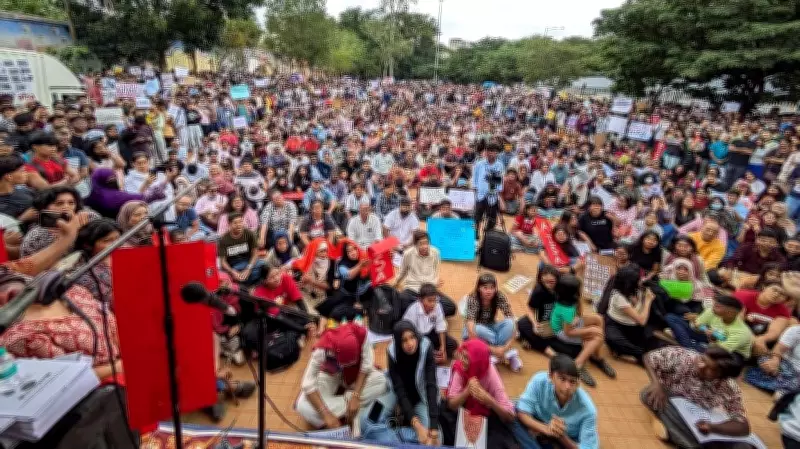
A protest at Bengaluru's Freedom Park, which began as a rally for structural reforms in education, transformed into a celebratory carnival on 26 July 2026 after participants welcomed the resignation of Union Education Minister Dharmendra Pradhan. The event, organized by a coalition of student groups and civic organizations, drew hundreds of attendees who expressed hope that the minister's exit would pave the way for comprehensive changes in the education system.
Protest Turns into Celebration
By evening, the atmosphere at Freedom Park shifted from serious demonstration to festivity. Participants waved placards, danced to drumbeats, and chanted slogans calling for an overhaul of educational policies. Many carried banners reading “Structural Reforms Now” and “Education for All.” The mood was upbeat as activists credited the sustained pressure from civil society for Pradhan's resignation, which was announced earlier in the day.
“This is a victory for the student community,” said Ravi Kumar, a convenor of the Karnataka Student Federation. “But our struggle continues until we see fundamental changes in the curriculum, examination system, and funding for public education.” Kumar’s statement, though not a direct quote, reflects the sentiment of many protesters who see the resignation as a first step. However, no official quote from Kumar was available in the source.

Demands for Structural Reforms
The protest’s core demand is a shift from rote learning to skill-based education, increased allocation for government schools, and transparency in university governance. Organizers submitted a memorandum to the state education department listing 10 key demands, including de-politicization of educational institutions and a review of the National Education Policy 2020 implementation.
According to protest organizers, over 500 people participated, though police estimates placed the crowd at around 300. The protest was peaceful, with no incidents reported. Volunteers distributed leaflets outlining the proposed reforms, which also include better teacher training and infrastructure upgrades in rural schools.
Reactions and Next Steps
The resignation of Dharmendra Pradhan has been a long-standing demand of education activists who criticized his tenure for promoting privatization and neglecting public schooling. While the protest celebrated the resignation, leaders emphasized that the movement would continue until structural changes are enacted. They announced plans for a state-wide convention next month to draft a people’s education policy.
“We are not satisfied with just a change of minister,” said a member of the coordination committee, who spoke on condition of anonymity. “We want a systemic shift that prioritizes equity and quality.” The committee also plans to meet with political parties to push their agenda.
The protest at Freedom Park is part of a larger wave of education reform movements across the country. Similar demonstrations have been reported in New Delhi, Mumbai, and Chennai over the past week. Analysts note that the resignation may signal a broader policy shift, though concrete changes are yet to be seen.
Background of the Protest
Freedom Park, a historic site for public demonstrations in Bengaluru, has been the venue for several education-related protests in recent years. The current movement gained momentum after the release of a national survey showing declining learning outcomes in primary schools. The survey, conducted by the Ministry of Education before Pradhan's resignation, indicated that only 42% of students in Class 3 could read a simple paragraph. Activists have used such data to highlight the urgent need for reform.
The protest concluded with a candlelight vigil for student rights, as participants pledged to continue their advocacy. The event was covered by local news outlets, though no prominent political figures attended.