

Bengaluru's Traffic Police Unveil Ambitious Plan to Transform City Roads
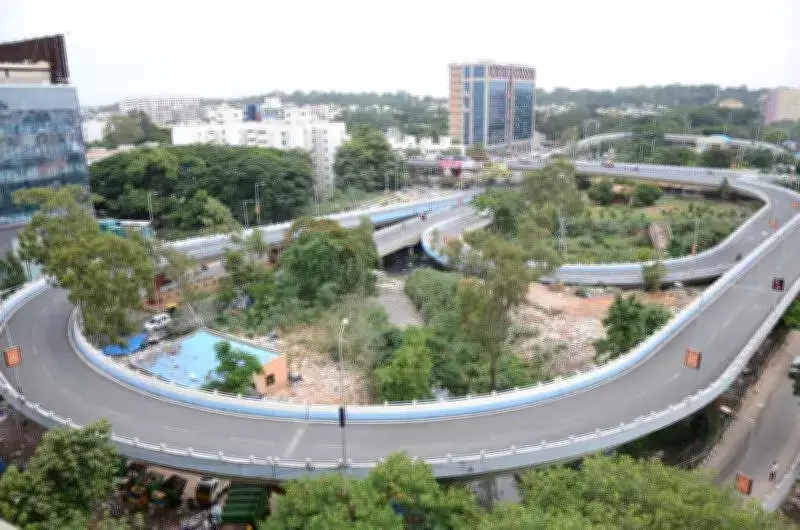
Bengaluru's roads could be in for a dramatic transformation, as the city's traffic police have unveiled an ambitious plan proposing 25 underpasses, 35 flyovers, and 101 skywalks. This comprehensive strategy, submitted to the Greater Bengaluru Authority (GBA), aims to ease the daily grind for commuters by addressing severe congestion and safety issues.
Detailed Audit Drives Recommendations
The proposals stem from a detailed audit that mapped congestion hotspots, accident-prone stretches, and notorious traffic bottlenecks. Senior police officials emphasize that the scale of recommendations reflects the depth of the problem, with nearly 2,000 new vehicles added to the roads daily. East Bengaluru, particularly Mahadevapura and Whitefield, is identified as the most stressed zone, requiring a majority of the proposed flyovers and pedestrian infrastructure.
Engineering and Management Interventions
Karthik Reddy, joint commissioner of police (traffic), stated that the recommendations are based on granular, on-ground data, including traffic density, accident frequency, and junction performance. The plan includes a mix of engineering interventions and traffic management reforms, such as signal-free corridors, removal of choke points, and pedestrian safety measures. Key junctions like Hebbal, Sarakki Circle, and Bannerghatta Road (Dalmia Junction) are targeted for signal-free movement through underpasses or grade separators, while flyovers are proposed at intersections such as Varthur Kodi, Dommasandra, Gunjur, HAL Old Airport Road, and Yelahanka.

Prioritizing Pedestrian Safety and Infrastructure
The plan prioritizes 101 skywalks along high-risk corridors like Hosur Road, Old Madras Road, Mysuru Road, and Kanakapura Road, as well as junctions near National Highway 44, which have recorded high pedestrian fatalities. With over 200 pedestrian deaths annually, police officials stress that skywalks and safer crossings are essential, not optional. The audit also identifies 2,340 locations for traffic signboards, 707 stretches requiring thermoplastic road markings, and 103 bus stops needing relocation away from junctions to improve traffic guidance and flow.
Addressing Waterlogging and Parking Issues
Waterlogging continues to be a major contributor to congestion, with 137 locations identified where moderate rainfall leads to traffic disruption. Police note that stagnant water damages road surfaces and forces vehicles to slow down, creating cascading bottlenecks. Additionally, the audit identifies 66 locations for multi-level car parking facilities, reflecting the mismatch between rapid vehicle growth and available parking infrastructure. Poorly placed bus stops and the absence of bus bays further disrupt traffic flow and commuter safety.
Implementation Challenges and Phased Approach
Senior officials at the Greater Bengaluru Authority indicate that while the recommendations are extensive, implementation will be phased due to financial, land, and logistical constraints. Mahesshwar Rao, chief commissioner of the GBA, described this as one of the most detailed traffic audits seen, but noted that careful prioritization, land acquisition assessments, and financial planning are required. The proposals will be aligned with ongoing Metro, suburban rail, and bus network expansions to ensure a lasting impact.
Key Infrastructure Requirements
- Requirement of skywalks: 101
- Alternative roads to reduce traffic: 35
- Waterlogging places: 137
- Removal of road humps: 84
- Shifting BMTC bus stops: 103
- Requirement of bus bays: 63
- Surakshya-75 junctions: 75
- MLCP parking locations: 66
- Requirement of signboards: 2,340
- Thermoplastic markings: 707
- Requirement of underpasses: 25
- Requirement of flyovers: 35
This ambitious plan aims to create a smoother, safer Bengaluru by addressing both immediate traffic woes and long-term infrastructure gaps.






