Bengaluru's Public Transport Still Fails Disabled Commuters Despite Metro Progress
In a revealing discussion with Metrolife, six disability activists and wheelchair users have acknowledged that while Bengaluru has made significant strides in certain areas, particularly metro station accessibility, the city's public transport system continues to fail commuters with disabilities. This persistent gap highlights ongoing challenges in urban mobility for vulnerable populations.
Mixed Progress in Accessibility Efforts
The activists pointed out that Bengaluru's metro stations have seen notable improvements, such as the installation of elevators, ramps, and tactile pathways, which are crucial for wheelchair users and visually impaired individuals. However, they emphasized that these advancements are not enough to ensure a seamless travel experience across the entire public transport network.
Key issues identified include:

- Inadequate last-mile connectivity from metro stations to other destinations.
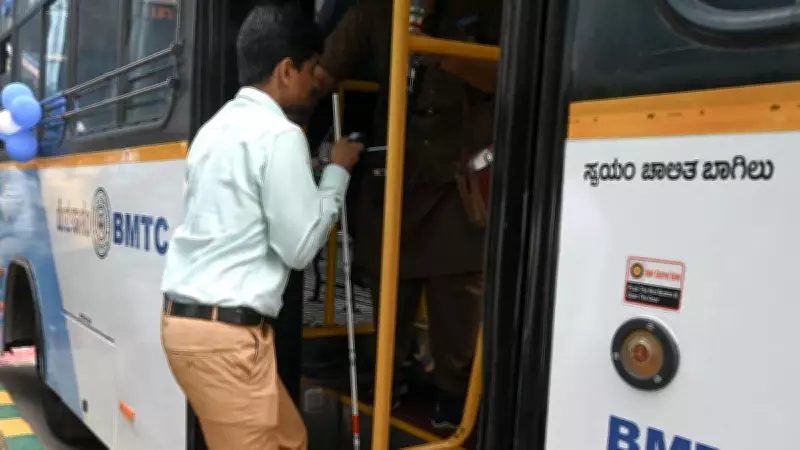
- Limited accessibility features on buses and other surface transport options.
- Poor maintenance of existing facilities, leading to frequent breakdowns.
- Lack of awareness and training among transport staff to assist disabled commuters.
- Inconsistent implementation of accessibility standards across different transport modes.
Voices from the Ground: Activists Share Their Struggles
One activist noted, "While the metro has become more accessible, getting to and from the stations remains a major hurdle. Buses often lack ramps or have them in non-working condition, making it impossible for wheelchair users to board." Another highlighted the psychological toll, stating, "The constant struggle with inaccessible transport limits our independence and participation in daily life, from work to social activities."
These insights underscore a broader systemic issue where piecemeal improvements fail to address the holistic needs of disabled commuters. The activists called for a more integrated approach, urging authorities to prioritize universal design principles in all public transport planning and upgrades.
The Road Ahead: Recommendations for Improvement
To bridge this gap, the activists proposed several measures:
- Implement comprehensive accessibility audits of all public transport systems.
- Enhance coordination between metro, bus, and other transport services for better connectivity.
- Increase funding for maintenance and upgrades of accessibility features.
- Conduct regular training programs for transport staff on disability awareness and assistance.
- Engage disability rights groups in policy-making and implementation processes.
As Bengaluru continues to grow as a metropolitan hub, ensuring inclusive public transport is not just a matter of convenience but a fundamental right. The activists' feedback serves as a critical reminder that progress must be measured by how well it serves all citizens, regardless of ability.