

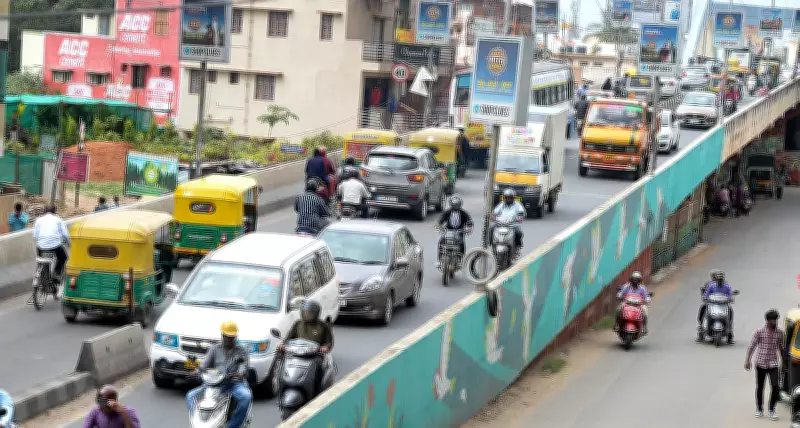
Bengaluru's Banaswadi Rotary Flyover Project Remains Stalled After Five Years
In a significant infrastructure setback for Bengaluru, the proposed Banaswadi rotary flyover has failed to commence construction even five years after its initial proposal. The civic body had announced plans for an elevated rotary flyover at this critical junction, aiming to alleviate traffic congestion and improve connectivity in the bustling area. However, the project has languished in bureaucratic delays and logistical hurdles, leaving residents and commuters frustrated with the ongoing gridlock.
Citizen Frustration Boils Over into Online Petition
Fed up with the prolonged inaction, over a dozen civic groups have taken matters into their own hands by launching a vigorous online petition. This renewed demand seeks to pressure authorities into finally kickstarting the long-pending project, which has become a symbol of urban planning failures in the city. The petition highlights the daily inconveniences faced by thousands of motorists and pedestrians, emphasizing the urgent need for infrastructure upgrades to keep pace with Bengaluru's rapid growth.
The delay has sparked widespread criticism, with many questioning the efficiency of local governance and project implementation mechanisms. Community leaders argue that such stagnation not only hampers mobility but also deters economic development in the surrounding neighborhoods. Residents have expressed growing impatience, citing similar projects in other parts of the city that have moved forward more swiftly, thereby exacerbating feelings of neglect in the Banaswadi region.

Broader Implications for Bengaluru's Infrastructure Development
This stalemate underscores broader challenges in Bengaluru's urban infrastructure landscape, where ambitious proposals often face execution delays due to funding issues, regulatory approvals, and coordination among multiple agencies. The Banaswadi flyover case serves as a cautionary tale for other planned initiatives, urging a more streamlined and accountable approach to public works. As the online petition gains traction, it remains to be seen whether civic activism can catalyze the necessary political will to break the deadlock and deliver much-needed relief to the community.






