Rajajinagar Sets New Standard in Bengaluru's Waste Management Efforts
In a significant development for urban sustainability, the Rajajinagar constituency in Bengaluru has achieved an impressive milestone by recording 95% waste segregation at source. This accomplishment highlights the effectiveness of community-driven initiatives and robust municipal policies in tackling the growing challenge of urban waste management.
Community Participation Drives Success
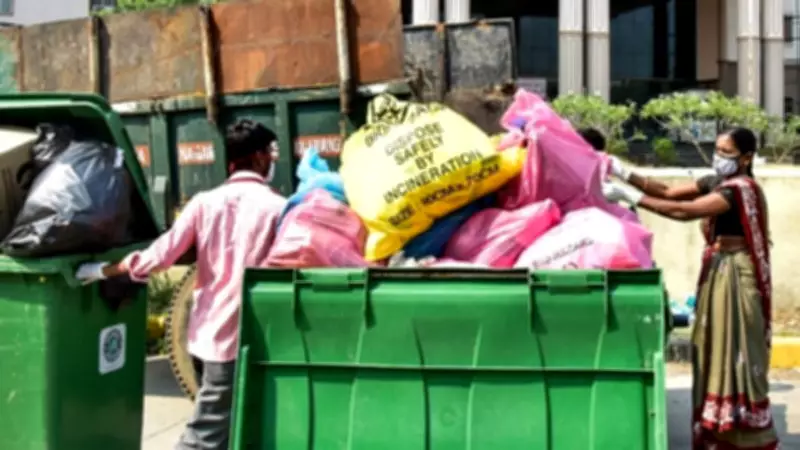
The high rate of waste segregation in Rajajinagar is largely attributed to active community participation and consistent awareness campaigns. Residents have been educated on the importance of separating dry and wet waste, which facilitates more efficient recycling and reduces the burden on landfills. Local authorities have implemented door-to-door collection systems and provided segregated bins to households, ensuring that the process is convenient and accessible for all citizens.
Impact on Urban Environment and Health
This achievement has far-reaching implications for Bengaluru's environment and public health. By segregating waste at source, Rajajinagar has significantly reduced the volume of mixed waste sent to disposal sites, thereby minimizing pollution and greenhouse gas emissions. Proper segregation also enhances the efficiency of waste processing plants, enabling better resource recovery and promoting a circular economy. Health benefits include a decrease in vector-borne diseases and improved sanitation in residential areas.

Challenges and Future Goals
Despite this success, challenges remain in maintaining and improving waste segregation rates. Issues such as inconsistent compliance in some areas and the need for continuous public education require ongoing attention. Authorities aim to leverage this achievement as a model for other constituencies in Bengaluru and across Karnataka, with plans to replicate similar strategies in urban centers nationwide. Future initiatives may include stricter enforcement of waste management regulations and incentives for high-performing communities.
Broader Implications for Indian Cities
The case of Rajajinagar serves as a benchmark for other Indian cities grappling with waste management issues. It demonstrates that with coordinated efforts between local governments, residents, and environmental organizations, substantial progress can be made in achieving sustainable urban living. This success story is expected to inspire policy reforms and community actions aimed at enhancing waste segregation practices throughout the country.