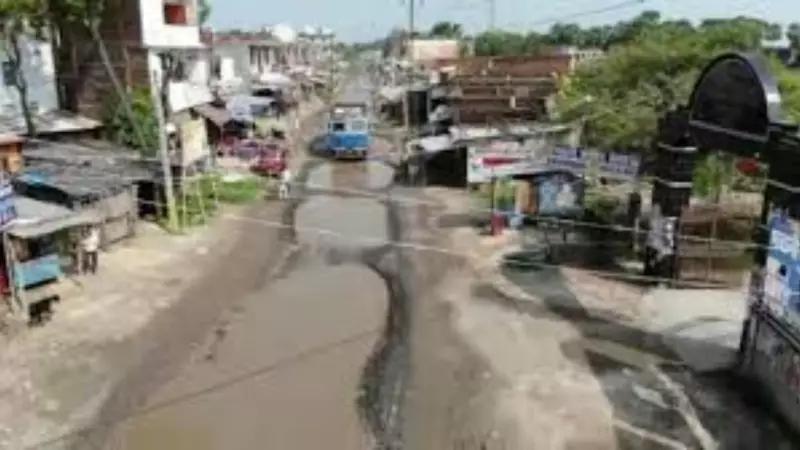
In a novel move to tackle its persistent road quality issues, the Bihar government is gearing up to launch a unique public reward scheme. The initiative, touted as the first of its kind in India, will financially incentivize citizens to report potholes, directly involving them in infrastructure monitoring.
Spot a Pothole, Earn a Reward: The 'Gadha Batao, Rs 5,000 Pao' Scheme
The Nitish Kumar-led state government is set to roll out the "Gadha Batao, Rs 5,000 Pao" (spot a pothole, get Rs 5,000) policy starting February 15. Under this program, residents can report potholes by calling a dedicated helpline. For every valid complaint that leads to the identification of a pothole, the informant will receive a cash reward of Rs 5,000.
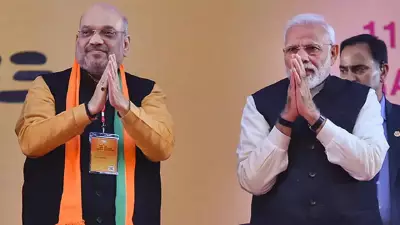
Road Construction Minister Dilip Jaiswal, announcing the scheme on Sunday, emphasized its groundbreaking nature. "The initiative is designed to encourage public participation and strengthen monitoring of road conditions. Such a reward-based policy is being introduced by a state for the first time in the country," he stated.

Rapid Repairs and Strict Accountability for Contractors
The policy is not just about identifying problems but ensuring swift solutions. A key component of the new framework is the deployment of "road ambulances" for rapid repair work. These mobile units are expected to significantly cut down the time taken to fix reported damages.
Furthermore, the scheme introduces strict accountability measures for the responsible parties. If a reported pothole is not repaired within a strict deadline of 72 hours, action will be taken against the concerned contractors and engineers. This clause aims to eliminate delays and ensure timely maintenance.
A New Model for Public Governance and Infrastructure
This citizen-centric approach marks a significant shift in how road upkeep is managed. By turning every citizen into a potential monitor, the government hopes to create a more robust and transparent system for maintaining public infrastructure.
The success of this scheme could set a precedent for other states grappling with similar issues. It represents a fusion of public participation, incentivization, and strict enforcement, potentially paving the way for smoother and safer roads in Bihar through a collaborative effort between the government and its people.